
Home>Honey
Honey
Orange blossom honey, from the orange flower
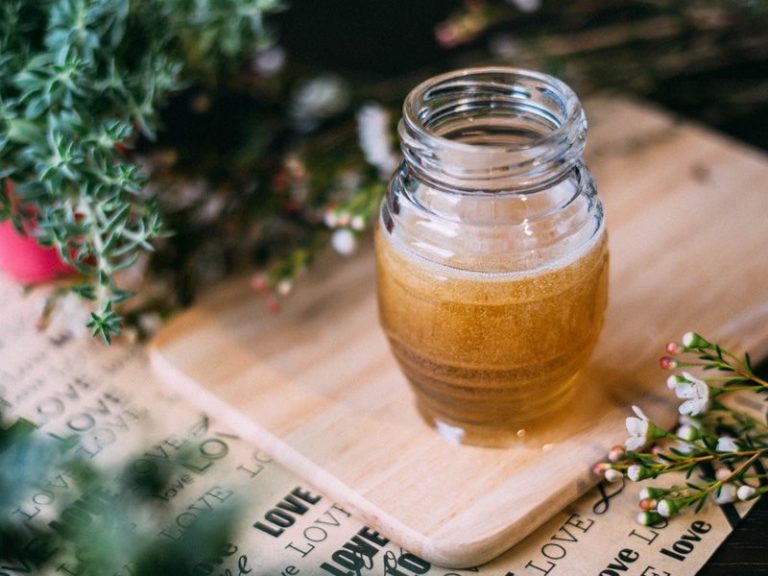
Orange blossom honey made by bees working the flowers of the same orange trees our fruit comes from. It’s taken from the comb and jarred, with no steps in between. It’s the only product in the shop that doesn’t depend on the harvest: you’ll find it all twelve months.
Where it comes from
Azahar is the orange blossom, and it flowers in spring. For those few weeks the fields of the Ribera smell of orange blossom in a way that’s hard to explain to anyone who hasn’t been there; the bees work that flower and this honey is the result. That’s why an orange blossom honey from Valencia and one from elsewhere don’t taste the same: it depends on what surrounds the hive.
What it’s like
Pale, almost clear when fresh, a soft amber colour. On the palate it’s floral and delicate, without the background bitterness of forest honeys or the punch of rosemary. It’s one of the easiest honeys: almost everyone likes it and it doesn’t mask whatever it’s served with.
If it crystallises, it hasn’t gone off
With time or with cold, raw honey turns thick and grainy. It’s a natural process and doesn’t mean it has spoiled or that sugar has been added — quite the opposite: heavily processed honeys take far longer to crystallise. It comes back by warming the jar in a water bath, hot but never boiling, stirring slowly.
Don’t overdo the temperature: above about 40 degrees you lose a good part of what makes a raw honey interesting.
How to use it
Breakfast is the obvious answer, but it goes further than that: it sweetens infusions without leaving a flavour of its own, it works with fresh cheese and yoghurt, and in the kitchen it glazes roast vegetables or meat. A little orange blossom honey with freshly squeezed lemon is the old remedy for a sore throat, and here you can have both from the same place.
How to recognise a raw honey
By the things a supermarket tends to treat as defects: that it crystallises over time, that the colour and density change from one year to the next, and that the aroma differs with the flowering. A honey that is always identical, liquid for years and exactly the same colour has usually been through heat and fine filtering, which is what leaves it stable… and leaves it without half of what made it interesting.
Why no two years are alike
The harvest depends on how the spring turns out. If it rains during the flowering or the wind blows hard, the bees fly on fewer days and there’s less honey; if the blossom lasts, the harvest is better and more aromatic. It’s the same logic as with the fruit: the fields decide, not anyone’s calendar.
How to store it
Jar closed, in a cupboard, away from light and heat. It doesn’t need a fridge and it doesn’t go off in the usual sense: it keeps for years, changing texture but not condition. Always use a dry spoon: a single drop of water inside the jar is the one thing that can ferment it.
One long-standing note, in case there are little ones at home: honey shouldn’t be given to babies under one year old. That’s a general recommendation for any honey, not for this one in particular.
Format and delivery
A 1 kg jar. It travels perfectly well with the fruit boxes, so the usual thing is to order it alongside a fruit order and have everything arrive together within 24-48 hours.