
From tree to table
Why this shop doesn’t stock everything all year round, why the fruit doesn’t all look alike, and why that’s exactly what we’re after.
What happens to an orange before it reaches a shop
Fruit sold in most places is cut before it’s ready, because it has to survive the journey and the wait. Then it goes into a cold store, where it can sit for weeks; it’s washed and waxed so it shines and doesn’t lose water; and it changes hands — warehouse, distributor, shop — until somebody buys it.
Every step is designed to make the fruit last. Not one is designed to make it taste better. And all of them cost money, which comes either out of the price you pay or out of what the grower is paid.
Here the order is reversed
Your order comes first; the fruit is cut afterwards. That changes everything else.

1 · You place the order
You choose from what's available that week, which is what's at its peak. If you want several things in the same box, just say so.

2 · It's cut that day
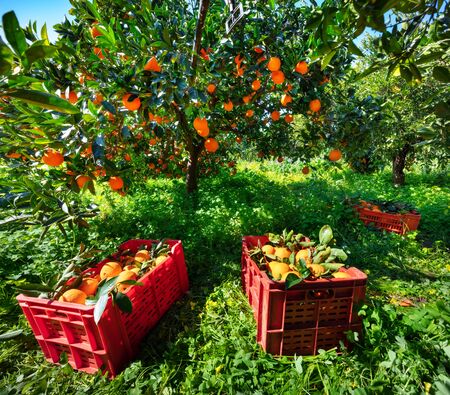
Your box doesn't come out of a cold store: it's picked in the field the day the order is prepared, and sealed without washing or waxing.

3 · It sets off to your door
Straight from Albalat de la Ribera, with no warehouses or distribution centres. It's with you within 24 or 48 working hours.
And what we choose not to do
Almost everything that makes this fruit different is things that aren’t done to it.

No cold storage
No fruit sitting in storage waiting for a buyer. If there are no orders, the fruit stays on the tree, which is where it's best off.

No waxing
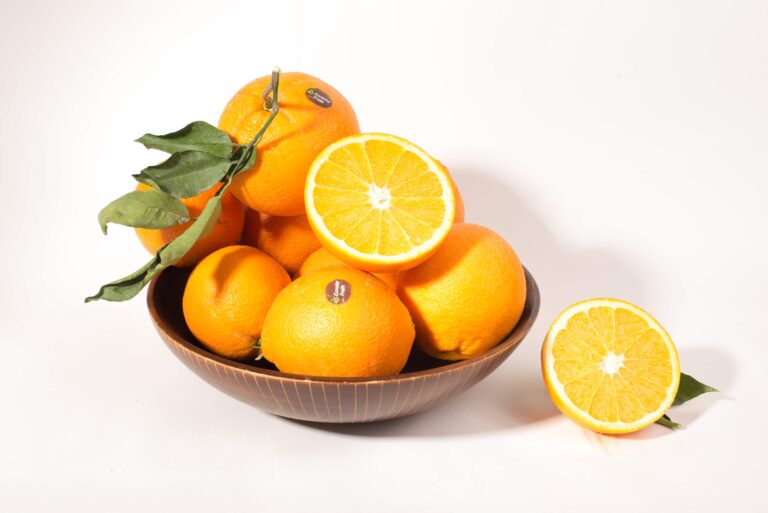
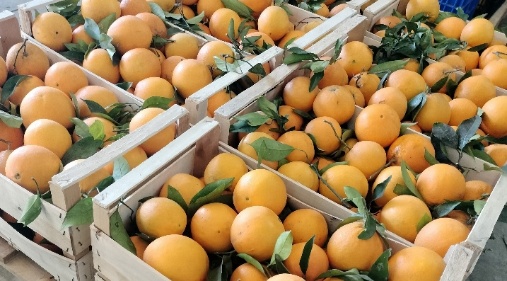
Nothing is applied after picking. That's why the peel can be zested, and why a leaf sometimes turns up in the box.

No middlemen
From the person who grows it to the person who eats it. What you pay stays in the fields, instead of being shared out along the chain.

We don't stock everything
There are no oranges in August. We'd rather say so than sell one out of a cold store or bought from someone else to fill the catalogue.
What "in season" means here
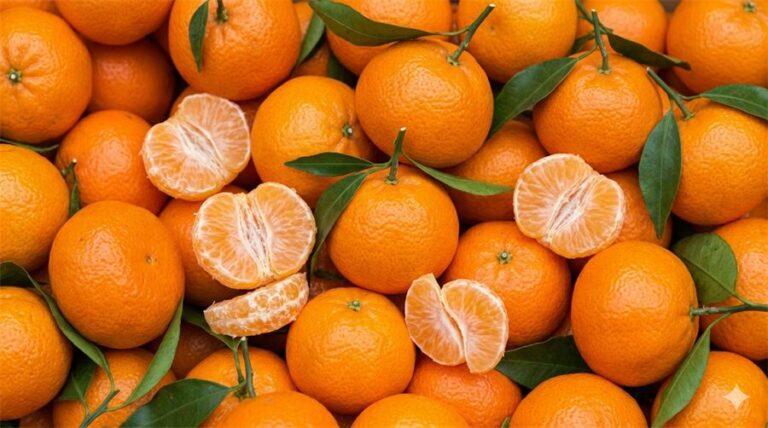
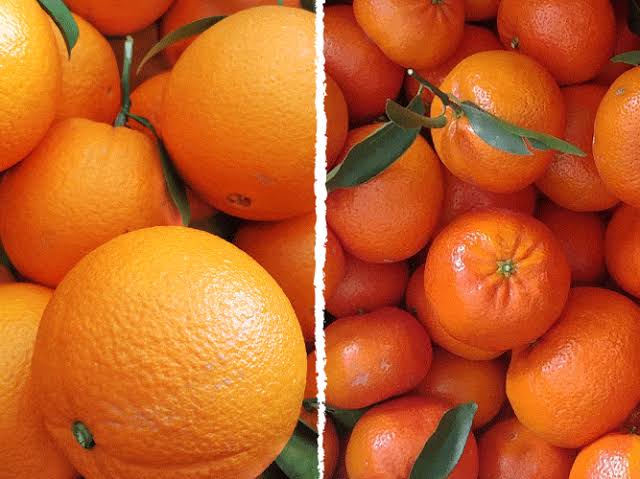
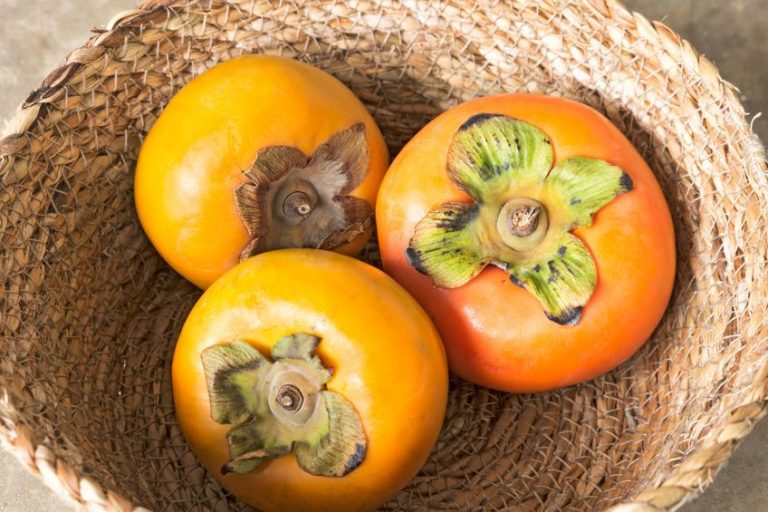
It isn’t a marketing label: it’s the calendar of the fields. Oranges and mandarins run from November to February, and within those months the variety changes — Navelina first, Valencia Late at the end, which is the one for juice. Persimmons last from October to December and then they’re gone. Lemons hold on almost all year because the tree crops in several waves.
That’s why the catalogue changes on its own: it shows what’s being picked and hides what isn’t. If you’re looking for something that isn’t there, write to us and we’ll tell you when it starts.
What's in this week
If you’ve read this far, the rest is better seen in the catalogue. And if you want to know who’s behind it, that’s in About us.