
Raw honey and pasteurised honey: what changes
On this page
On a shelf of honey there’s «pure», «natural», «artisan», «local» and «traditional». Almost none of
those words means anything specific.
The difference that does exist, and that changes what’s in the jar, is another one:
whether the honey has been heated and pressure-filtered, or not. That’s what separates
raw honey from pasteurised honey, and it shows in the colour, the texture and the aroma.
What each one is
Raw honey
The honey that comes out of the hive, is settled or lightly strained to remove bits of wax, and is
jarred. Without going above the temperature of the hive itself, around 35 degrees. It
may look slightly cloudy and it will crystallise within months.
Pasteurised honey
It’s heated to about 70 or 80 degrees for a few minutes and filtered under
pressure. It comes out transparent, glossy, perfectly fluid, and stays that way far longer.
Why honey is pasteurised
It isn’t a whim or a trick: it solves three very real problems for anyone who has to sell honey in a
supermarket.
- It delays crystallisation. Heat dissolves the microcrystals that act as seeds, and
filtering removes the pollen and wax particles that act as nuclei. Without seeds, honey takes far
longer to solidify. - It stops fermentation. It kills the natural yeasts, which in a honey with a little
too much moisture can ruin it. - It standardises the product. Every jar the same look, the same colour and the same
fluidity, season after season.
The underlying reason is commercial and quite understandable: a lot of people return a
crystallised jar thinking it has gone off. Why it hasn’t is in
why honey crystallises.
What’s lost along the way
Worth being precise here and not promising too much.
The enzymes
Honey carries enzymes contributed by the bees themselves — diastase and invertase are the ones used
as reference — and they’re sensitive to heat. Above 40 or 45 degrees they start to break down, and at
70 they’re badly depleted.
Diastase activity is in fact one of the official parameters used to check whether a
honey has been overheated. Along with HMF, a compound that rises when honey is heated or ages badly:
the higher it is, the more heat the honey has seen.
The aromas
This is what you notice most when you taste it, and the easiest thing to check at home. The volatile
compounds that make orange blossom honey smell of orange blossom — and not simply of sweetness —
evaporate with heat. Pasteurised honey tastes of honey; raw orange blossom honey tastes of orange
blossom.
The pollen
Microfiltering removes the pollen grains. That has a practical consequence beyond taste:
pollen is what makes it possible to know which flower and which area a honey comes
from. Without it, origin analysis is impossible.
And the colour
Heated honey darkens. Not dramatically, but enough that two jars from the same flowering can be told
apart against the light if one has been heated and the other hasn’t. It’s the same reaction that
darkens any hot sugar, and it goes hand in hand with HMF: the more a honey is heated, the darker it is
and the higher that figure.
What honey doesn’t do
And now the part hardly anyone writes. Raw honey gets credited with all sorts of curative
properties, and we aren’t going to repeat them here because we have no evidence for any of them.
What can be said with confidence is that it keeps its original enzymes and aromas,
and that’s why it tastes of the flower it came from. That’s checkable in any kitchen. The rest are
claims it isn’t our place to make.
Two warnings that do matter, and that apply to all honey everywhere:
- Never to children under one. Honey — raw or pasteurised — can contain botulism
spores that an infant can’t handle. It’s a universal health recommendation. - It’s still sugar. About 300 kilocalories per hundred grams. Being natural doesn’t
make it something else.
How to tell which one you have
| Sign | Raw honey | Pasteurised honey |
|---|---|---|
| Appearance | Slightly cloudy | Transparent and glossy |
| Texture | Crystallises within months | Fluid for a long time |
| Aroma | You can identify the flower | Generic sweetness |
| Bits | May have bubbles or wax | None |
| Label | Usually says «raw» or «unpasteurised» | Usually says nothing |
| Origin | A grower or a specific area | Often a blend of countries |
The label, which says more than it looks
The origin line is the most informative thing on the jar. If it says «blend of EU and non-EU
honeys», that honey comes from several countries and has been through a packer buying in
bulk. It has recently become compulsory to list the countries and their percentages, so it’s getting
harder to hide.
A single-origin honey, from a specific area and a specific flowering, doesn’t need that formula: it
can say where it’s from because it knows.
And there’s a detail that ties the two together: to be able to state which flower a honey comes
from, it has to keep its pollen — which is exactly what microfiltering removes. Heavily filtered honey
and vague origin are, almost always, the same honey.
And the spoon test
It isn’t infallible, but it’s a guide: raw honey falls off the spoon thicker and forms a thread that
breaks. One that’s very runny in the middle of winter is suspect of having seen heat.
How to use it without wasting it
If you’ve paid for raw honey, there are uses that make the most of what makes it different and
others where it makes no difference at all what you bought.
Where it shows
- Raw. On toast, on yoghurt, on fresh cheese or on walnuts. That’s where the orange
blossom aroma comes through whole. - At the end of a dish. A drizzle over roast vegetables, over hard cheese or into a
lemon dressing, off the heat. - In a warm infusion. With the drink below 40 degrees, not boiling.
Where it doesn’t
- In baking. In the oven, any honey behaves the same: it brings sweetness and
moisture, and its aromas go with the heat. - In marinades and sauces that boil. Same again.
- In very hot tea. Putting raw honey into boiling water is pasteurising it in the
cup.
Put practically: raw honey is for breakfast, not for the oven. If you bake a lot, it
makes sense to keep an ordinary jar for cooking and save the good one for eating raw.
How to keep raw honey
Like any other, and with the same three rules:
- Cupboard, not fridge. Between 18 and 25 degrees. Cold speeds up
crystallisation. - Jar tightly closed. Honey absorbs moisture from the air, and moisture is the one
thing that can ferment it. - Dry spoon and out of direct light.
With that it keeps for years without losing anything. It’s the only product in the
catalogue that doesn’t depend on the month, which is why it’s available all twelve, even though it’s
only harvested once.
Ours
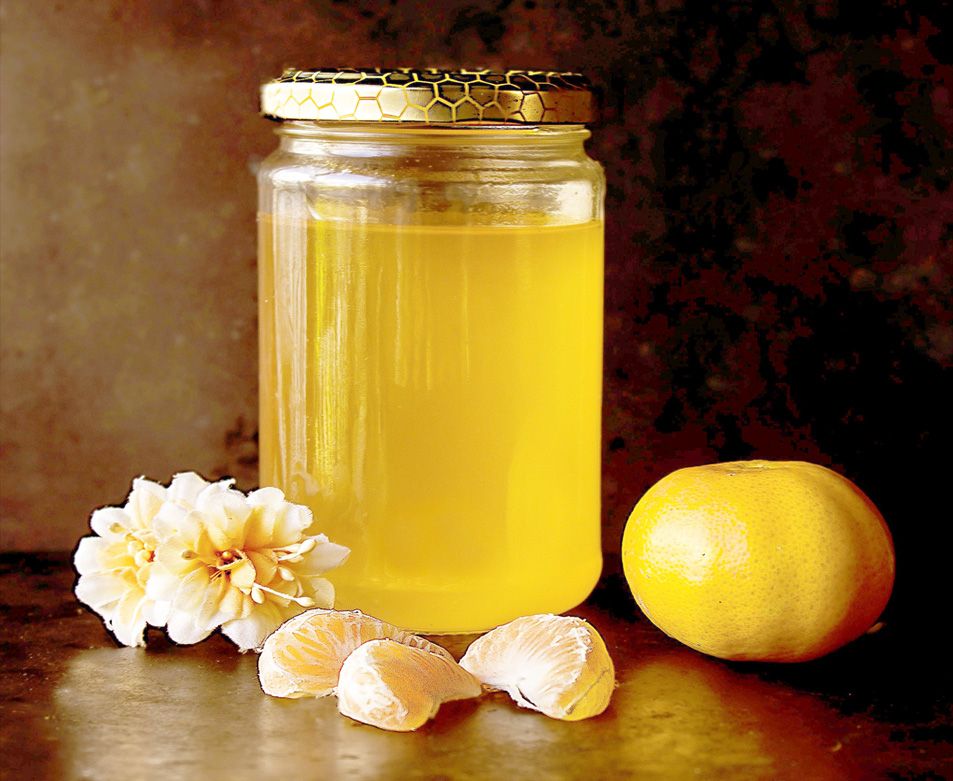
The jar of orange blossom honey is one kilo,
raw and unpasteurised: settled and jarred, with no heating and no microfiltering. It
will crystallise within a few months, and when it does that’s a sign everything is as it should be.
What’s available right now is in the honey section.
What’s the difference between raw and pasteurised honey?
Raw honey is jarred without going above hive temperature, around 35 degrees.
Pasteurised honey is heated to 70 or 80 degrees and pressure-filtered, so it comes out transparent and
takes far longer to crystallise, but it loses enzymes and aromas.
How do I know whether a honey is raw?
The label usually says so — «raw» or «unpasteurised» — it looks slightly
cloudy, it crystallises within months and you can identify the flower it came from by the aroma. Honey
that’s perfectly transparent and runny all year isn’t raw.
What does «blend of EU and non-EU honeys» mean?
That the honey comes from several countries and was jarred from bulk
purchases. The rules now require the countries and their percentages to be listed on the label.
Does raw honey have curative properties?
What it keeps, and this is checkable, are its original enzymes and aromas,
which is what makes it taste of the flower it came from. We claim no medicinal effect for it. And in no
case should honey be given to children under one.
How long does a jar of honey last?
Years, kept closed, in a cupboard between 18 and 25 degrees and away from
light. The only thing that spoils it is moisture, which can ferment it.
Search the blog
Right now in the fields
Being picked in September:
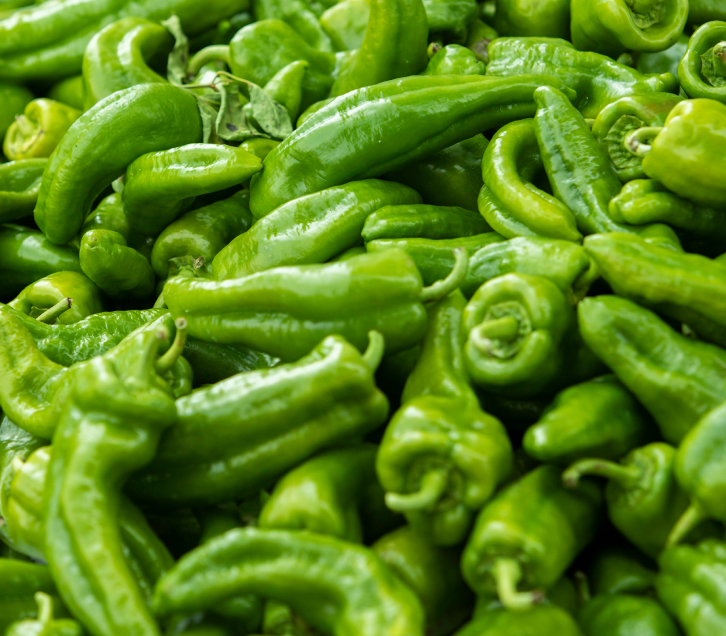
Lemons · Orange blossom honey · Italian frying pepper · Aubergine · Squash
Latest
From the tree to your door
It’s picked the day we prepare your order and leaves Albalat straight for your door.
What's available this week
The catalogue changes with the fields: it shows what’s being picked and hides what isn’t.