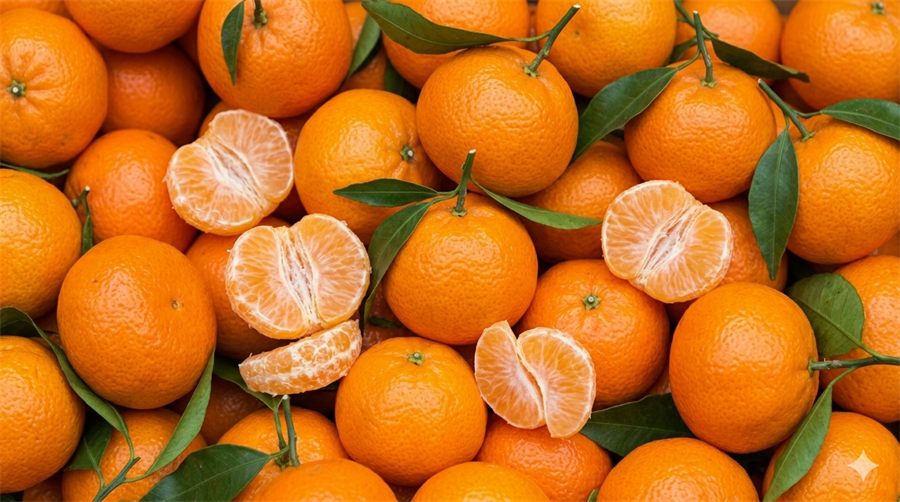
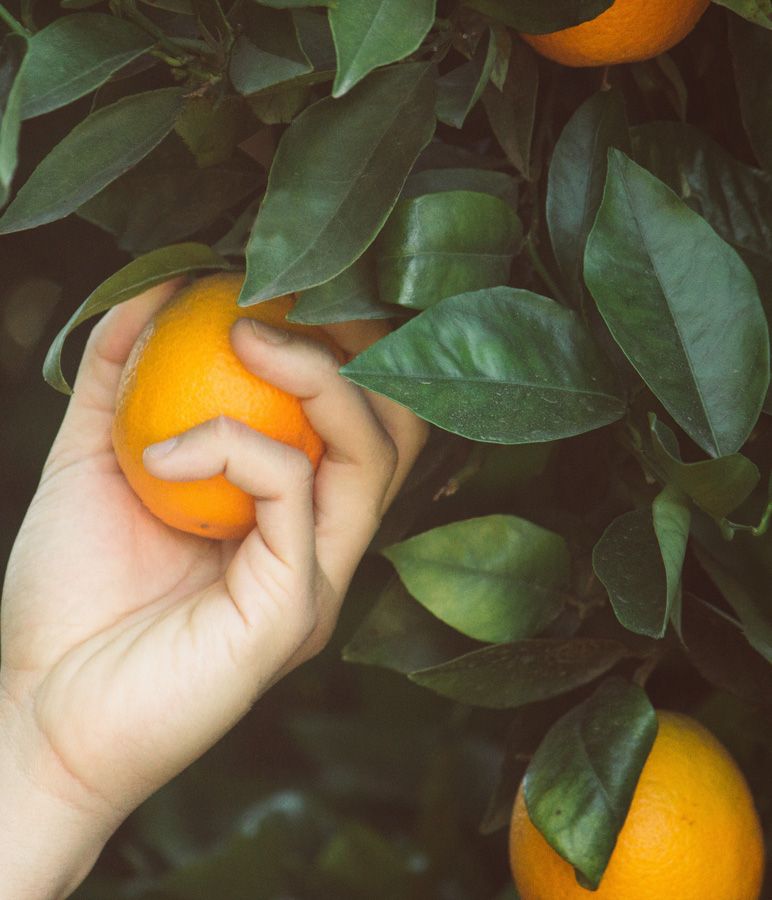
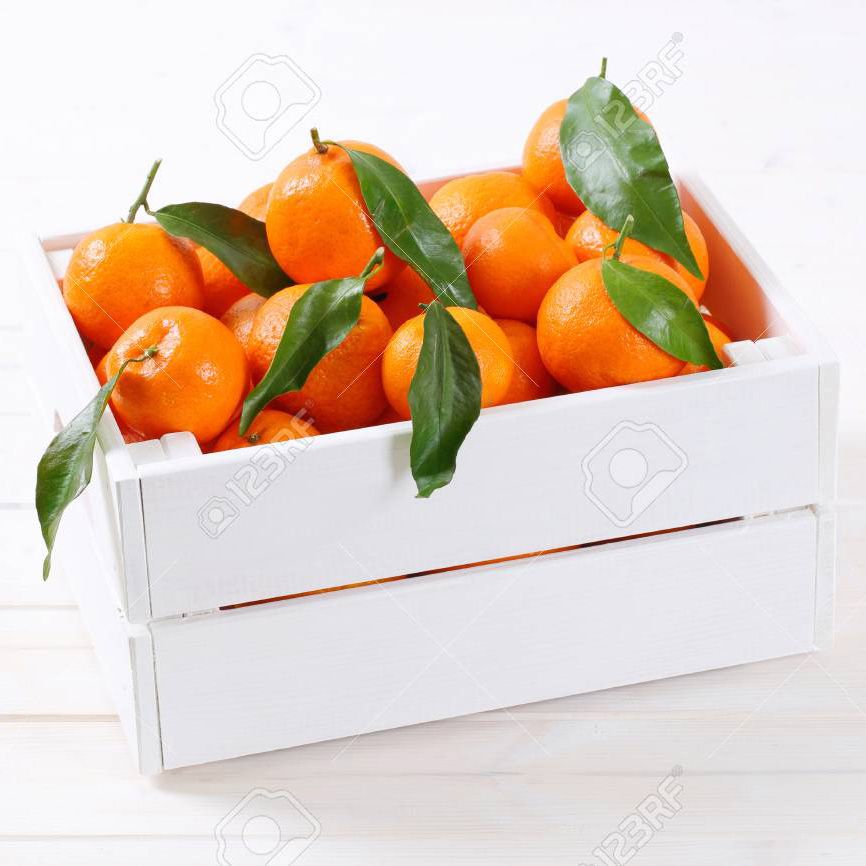
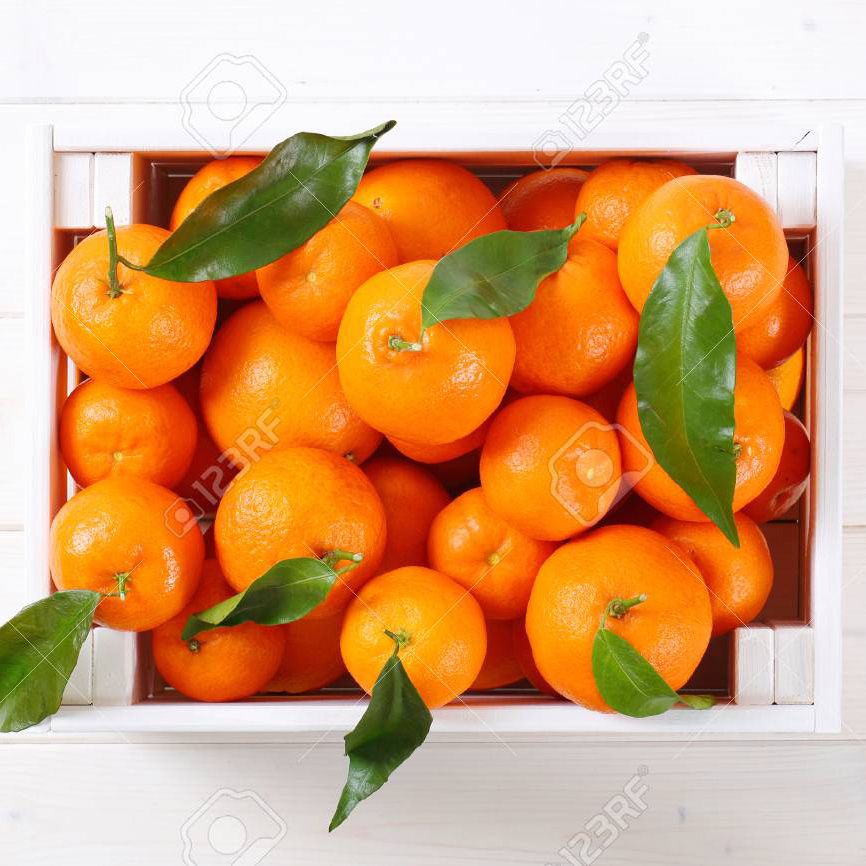
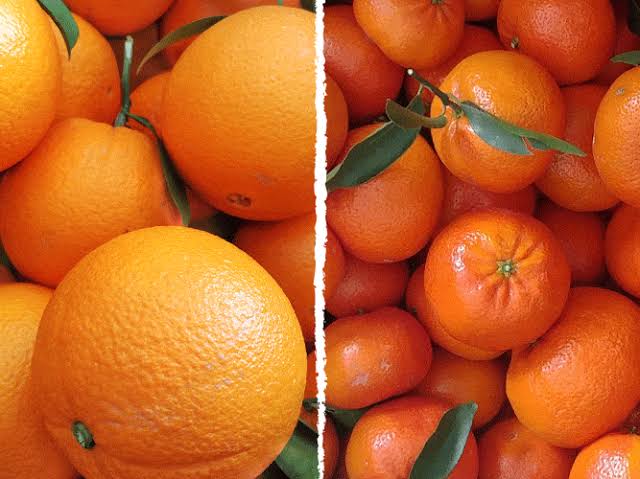
«Are these clementines or mandarins?» is one of the questions most often heard in front of a
crate of fruit, and the correct answer is slightly disconcerting: a clementine is a
mandarin. In the same way that a Navelina is an orange.
Mandarin is the name of the family. Inside it there are three groups that share out the autumn,
the winter and the spring, and they’re less alike than they look. Here’s what changes from one to another.
The three groups, in one table
| Group |
When |
Seeds |
Skin |
Flavour |
| Satsuma |
September to November |
Never |
Very loose, almost hollow |
Mild and low in acidity |
| Clementine |
October to February |
Hardly ever |
Thin and opens by itself |
The most balanced |
| Late hybrids |
January to May |
The odd one |
Tighter |
The sweetest |
If you take only one idea away from the whole article, let it be this: the satsuma opens
the season, the clementine is the middle of it and the hybrids close it. The month you buy
in almost always tells you which one you’re holding.
The satsuma: the first of the year
It’s the earliest of them all. It’s picked from September to November, when it’s
still warm and there isn’t a single orange on the tree, and that’s why it’s the one that announces
that the citrus season has begun.
How to recognise it
By the skin: it’s so loose that the fruit looks puffed up, and when you squeeze it you can feel
the gap between the skin and the segments. It peels in one go, almost by accident. It’s usually a
little flattened, wider than it is tall.
What to expect from it
It has no seeds — none at all, it’s a feature of the group — and it’s the mildest in flavour:
less acidic, less sweet, more watery. A lot of people find it bland compared with a December
clementine, and they’re right: it’s missing two months of cold that nobody has had in September.
It’s also the most delicate. Because the skin isn’t tight against the fruit, it marks easily and
lasts fewer days than the others. Best eaten soon.
The clementine: the one with the flavour
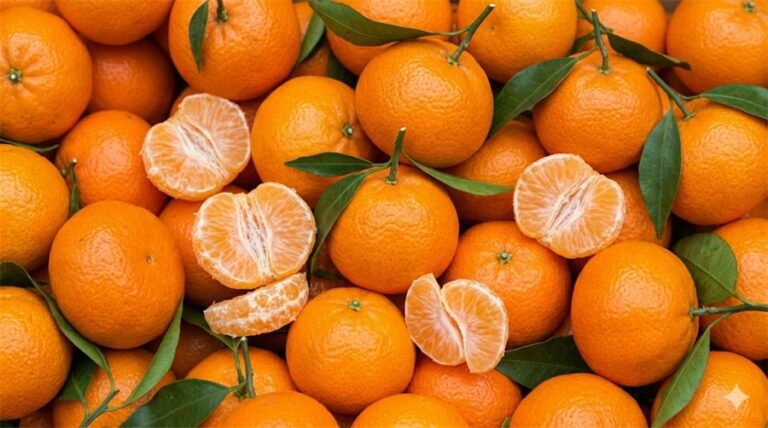
It’s the queen of the season and the one most people have in mind when they say «mandarin». It
comes in in October and lasts until February, with the bulk from November
to January, which is exactly when most of them get eaten: Christmas, long lunches and full fruit bowls.
Why it opens by itself
It has thin but well-formed skin that comes cleanly away from the segments. It doesn’t tear as
you peel it or leave white threads stuck to the fruit, which is what makes it so convenient. A tray
of clementines on the table disappears without anyone getting up for a knife.
And why it sometimes has seeds
Here’s the most common misunderstanding. Genetically, a clementine shouldn’t have
any. But if there are varieties nearby that do produce pollen and the bees do their work,
cross-pollination happens and two or three loose seeds turn up in some fruit.
It isn’t a fault and it doesn’t change the flavour: it’s the sign that the grove has neighbours.
In intensive growing areas like the Ribera it happens more often than people think.
The late hybrids: the ones at the end
From January to May, as the clementine runs out, the late varieties come
in — Clemenvilla and Ortanique: crosses developed precisely to stretch the season into the
spring.
What they gain
Sugar. They’re clearly the sweetest of the three, because they’ve had more weeks of cold on the
tree, and their colour is deeper, almost reddish.
What they lose
Convenience. The skin is tighter and sometimes you need a fingernail to start it, and they carry
the odd seed more often than the others. In exchange they keep considerably better at home.
What each month brings
The practical way to use all of the above is backwards: don’t choose the group, look at the
month.
| Month |
What there is |
What to expect |
| September-October |
Satsuma and the first clementines |
Mild and very easy to peel. Eat it soon |
| November-December |
Clementine |
The best moment of the year |
| January |
Late clementine |
Still very good, and sweeter now |
| February-May |
Hybrids |
The sweetest. The odd seed |
| June to August |
Nothing |
What’s on sale comes from a cold store or from abroad |
The full season is in the calendar of Valencian
fruit, along with the orange and the persimmon.
Mandarin or orange: when each one suits
They overlap for almost the whole season, so it’s a fair question.
- To eat without cutlery: mandarin, no argument. It peels with two fingers and
fits in a coat pocket.
- For juice: orange. You’d need eight or nine mandarins for a glass, and their
juice goes off sooner. Which one to choose is in
the comparison of juicing varieties.
- For children: a clementine from November to January, which is the one with no
seeds that opens by itself.
- To have a bit of everything: the
mixed box, which brings both and saves
you choosing.
How to pick a good mandarin
With the group and the month you already know most of it, but in front of the crate there are
four signs that always work, whatever the variety.
The weight
The best of them all. Take two of the same size and keep the one that weighs more: that
difference is juice. A mandarin that’s light for its size has lost water, and the flavour goes with
the water.
How the skin feels
Firm but not hard, with no soft patches. If it gives under gentle pressure and doesn’t spring
back, that one is past it. Small brown marks on the skin aren’t a problem: they’re rubs from the
wind or the branch and they don’t affect what’s inside.
The smell
An in-season mandarin smells of mandarin without needing to be peeled, especially around the
stalk. Fruit that has spent weeks in a cold store has lost almost all the aroma in its skin, and you
notice that before you bite it.
The stalk, if it has one
With a green leaf it’s the best sign there is: it means it was cut a few days ago. A limp or
yellow leaf means time has passed. It’s why our boxes often arrive with a leaf in them: they’re
picked after the order comes in.
What is no use for choosing is the colour of the skin, which can be achieved in
a chamber with ethylene without the fruit ripening inside. It’s explained in
why there are no oranges in August.
How to keep them
They last less well than oranges, because the skin is thinner and protects less. Three rules and
little else:
Out of the fridge and in a single layer. Piled in a deep bowl, the ones
underneath are crushed by the weight and start to sweat. Spread on a tray they last twice as
long.
Somewhere cool and airy. Ten to fifteen degrees is ideal: a pantry, a covered
balcony, an unheated room. Next to a radiator they dry out in three days.
And if there are leftovers, into the fridge. After the first week, the salad
drawer keeps them another ten days. Take them out a while before eating: cold, they taste of
nothing.
What you’ll find in our shop
There’s a single box of mandarins in the catalogue,
15 kilos, and inside goes whichever variety is being picked that week in the fields
of Albalat de la Ribera. In September it’s satsuma; from October to January, clementine; and from February
to May, the late ones.
We don’t mix varieties in the same box or keep fruit from previous weeks: it’s picked after the
order comes in and leaves for your home within 24 or 48 hours. When the season ends, the box
disappears from the catalogue until September, which is what we explain in
From tree to table.
If you need to know which variety there is this week before ordering,
write to us and we’ll tell you.
What’s the difference between a clementine and a mandarin?
None, strictly speaking: the clementine is a type of mandarin. Mandarin is
the name of the family, and inside it are the satsumas, the clementines and the late hybrids. The
clementine is the October-to-February one, the one that opens by itself and doesn’t usually have
seeds.
Why does my clementine have pips?
Cross-pollination. A clementine doesn’t produce seeds on its own, but if
there are pollen-bearing varieties in nearby groves, the bees carry it across and two or three seeds
turn up in some fruit. It doesn’t affect the flavour.
Which is the sweetest mandarin?
The late varieties of February to May, which have had more weeks of
cold on the tree. The December clementine is the most balanced, and the September satsuma the
mildest of all.
When does the mandarin season start?
In September with the earliest varieties, and it finishes in May. The best
moment runs from November to January, with the clementine.
Can mandarins be kept in the fridge?
Yes, after the first week, and it gives them about ten days more. Better in
the salad drawer and not piled up. Worth taking them out a while before eating, because cold they
lose their aroma.