Agua de Valencia is what happens when someone has good oranges and good cava in front of them. It
was born in a café in the city in the sixties and today it’s served across half the world, almost
always with industrial juice, which is exactly what ruins it.
The recipe is simple and the proportions matter. And since it contains alcohol, it’s worth saying
before anything else: it isn’t for under-18s or for anyone who’s going to drive.
Further down is the alcohol-free version, which with seasonal orange is genuinely good.
- Preparation15 min
- Chilling30 min
- Total45 min
- Glasses6
Ingredients
- 500 ml freshly squeezed orange juice
- 750 ml brut cava, very cold
- 100 ml gin
- 50 ml vodka
- 2 or 3 tablespoons sugar
- Ice, in large cubes
- One orange, to garnish
Cava brut, not demi-sec: the juice already has sugar to spare and a sweet cava
turns the jug into syrup. Nor do you need an expensive cava, since it’s going into a mixture; what
you do need is for it to be very cold.
How it’s made
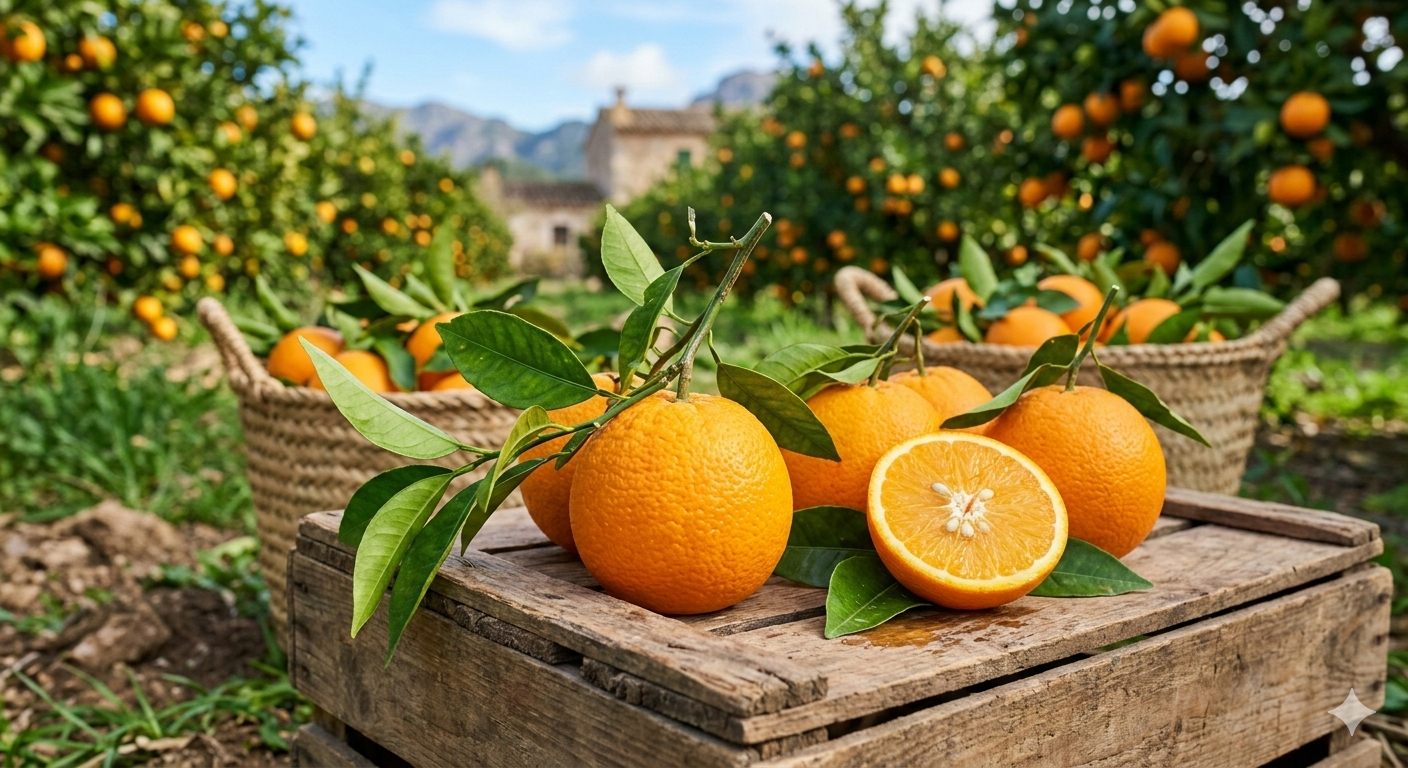
- Squeeze the oranges and strain the juice to take out coarse pulp and pips. You’ll need
about six medium oranges.
- Dissolve the sugar in the juice, stirring well. Add it at the end, on top of the cava, and
it sits at the bottom and there’s no shifting it.
- Chill everything. The juice, half an hour in the fridge; the cava, properly cold from the
start. This step isn’t skipped: if the cava is lukewarm it loses its fizz as you mix.
- Mix the juice with the gin and the vodka in a wide jug, and stir.
- Add the cava last, in a thread and down the side of the jug, so as not to kill the
bubbles. Stir once only, gently.
- Serve in a wide glass or a tumbler, with two or three cubes and a slice of orange. The ice
goes in the glass, never in the jug: it would water the mixture down in ten minutes.
The proportions, which are what usually go wrong
The easy rule is one and a half parts cava to every part of juice, with the
spirits in a discreet proportion: they’re there to give a base, not to be noticed.
The two usual mistakes run in opposite directions. Too much juice and you get a thick, flat soft
drink; too much alcohol and you get an aggressive drink in which the orange disappears — and which
also goes down with a deceptive ease, which is where the trouble comes from.
And the juice, freshly made
It’s the one thing that admits no substitute. Packaged juice has lost the aroma of the peel and
has been pasteurised for months; on top of cava you notice it immediately. The difference between a
memorable Agua de Valencia and an ordinary one is almost entirely in that point.
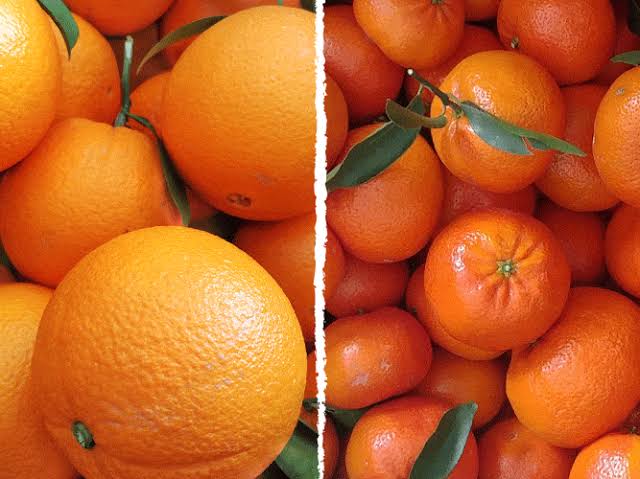
Which orange works best
Any seasonal one, with a detail worth knowing.
The navel varieties — Navelina from November to January, Lane Late from February
to May — contain limonin, a compound that makes the juice start to turn bitter
somewhere between twenty minutes and an hour after squeezing. In a jug made and drunk on the spot
it’s no problem; if you’re going to leave it standing, Salustiana or Valencia Late are better, as
they don’t turn bitter. It’s explained in
which is the best orange for juice.
The alcohol-free version
It isn’t a consolation prize: with freshly squeezed orange it’s very good, and it can go in front
of anybody.
- 500 ml orange juice, freshly squeezed and strained.
- 750 ml lemonade or sparkling water, properly cold.
- The juice of half a lemon, which supplies the acidity the cava would give
here.
- A tablespoon of orange blossom honey dissolved in the juice, in place of the
sugar.
- Ice and a slice of orange.
The lemon is the key: without it the drink is cloying. And the honey, instead of sugar, gives it a
floral base that ties back to the orange tree’s own blossom.
Where it comes from
The story is fairly well documented: it was born in the Café Madrid in Valencia
in the late fifties or early sixties, when a group of regular Basque customers asked the waiter,
Constante Gil, for “something different”, tired of always ordering agua de Bilbao — which
was what they called cava. What he put in front of them was this, and they called it
aigua de València.
It took two decades to leave the café. By the eighties it was the drink of the city, and today
it’s on the lists of places that have never seen an orange tree. That it has travelled so far is
both charming and a trap: nearly all of those versions start from packaged juice, which is precisely
the one thing the recipe won’t take.
What it’s drunk with, and how long it lasts
It’s an aperitif or an after-lunch drink, not something to have with a meal: the fizz and the
sweetness fight almost any dish. It works with savoury nibbles — olives, lupin beans, a little cured
cheese — and with titaina on bread.
And it isn’t kept: within half an hour it has lost its fizz and within an hour the juice starts to
oxidise. Make the amount you’re going to drink. Anything left over does as juice the next day, but
it isn’t the same thing.
The orange it uses
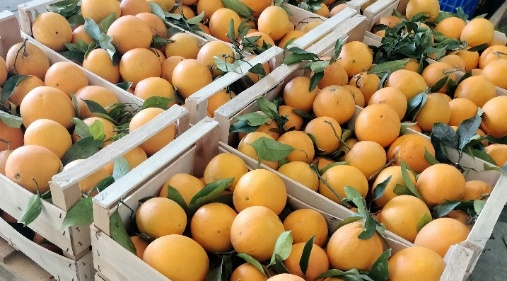
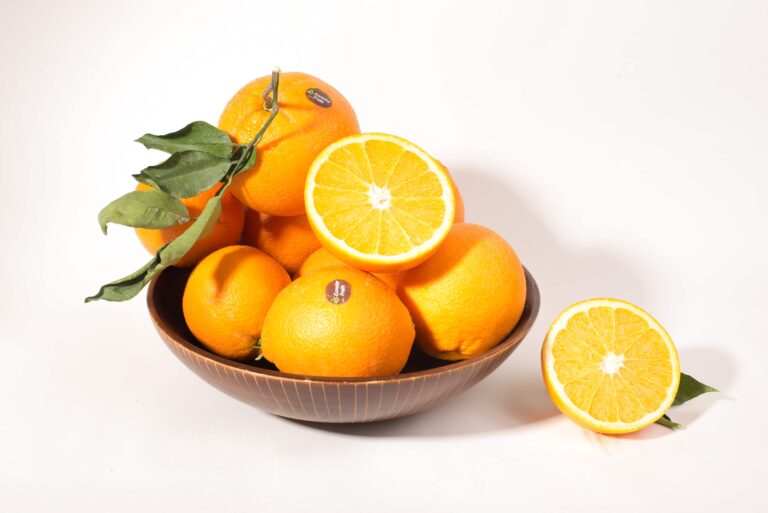
Six oranges to a jug, so a 15-kilo box — between 55 and
70 pieces — makes about ten. It’s picked in Albalat de la Ribera after your order comes in and
arrives within 24 or 48 hours, which is what gives the juice its aroma.
It’s in the oranges section from November to July. The rest of the
year there is none, and the why is in
why there are no oranges in August.
Drinking alcohol carries health risks. This recipe is for over-18s and should not be drunk
before driving.
What goes into the original Agua de Valencia?
Freshly squeezed orange juice, brut cava, gin, vodka and a little sugar. The
usual proportion is one and a half parts cava to every part of juice, with the spirits in a modest
quantity.
Can Agua de Valencia be made without alcohol?
Yes: freshly squeezed orange juice, lemonade or sparkling water properly
cold, the juice of half a lemon and a tablespoon of honey. The lemon is what keeps it from being
cloying.
Why is the cava added last?
So as not to lose the bubbles. It goes in as a thread down the side of the
jug and is stirred once, gently. And the ice goes in the glass, never in the jug, because it would
water it down.
Can it be made in advance?
Not advisable: within half an hour it loses its fizz and the juice starts to
oxidise. What you can get ready ahead is the juice with the sugar dissolved, properly cold, and add
the cava just before serving.
Where does the name come from?
From the Café Madrid in Valencia, around 1960. Some Basque customers who
always ordered “agua de Bilbao” — cava — asked for something different, and the mix the waiter
Constante Gil made them was named agua de Valencia.