
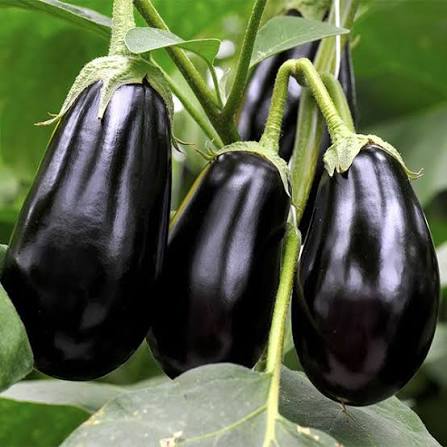
Fried aubergine with orange blossom honey
On this page
This is the recipe that converts people who say they don’t like aubergine. Done properly it comes out
crisp outside and creamy inside, and the contrast with warm honey over the top is one
of those things that never fails.
Done badly it’s an oil sponge. And the difference between the two isn’t the coating, but three
details settled before you light the hob.
- Preparation40 min
- Frying15 min
- Total55 min
- Serves4
Ingredients
- 2 medium aubergines
- 500 ml cold milk (or salted water)
- 150 g plain flour
- 50 g chickpea flour, if you have it
- Mild olive oil or sunflower oil, for frying
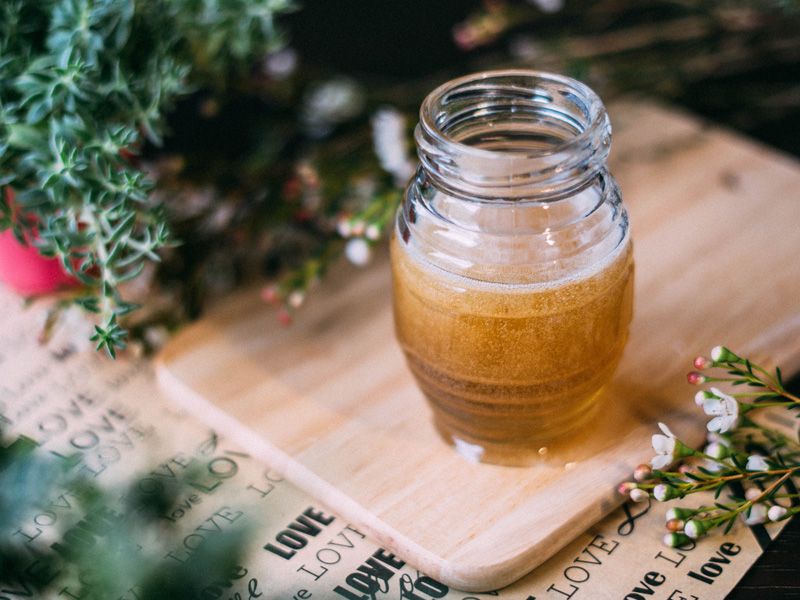
- 4 tablespoons orange blossom honey
- Flaky sea salt
Chickpea flour isn’t essential, but it’s what the fry shops use: it absorbs less and
gives a crunch that plain flour alone doesn’t manage. One part chickpea to three of wheat.
How it’s made
- Cut it thin. Into rounds or batons half a centimetre thick, no more. A mandoline gives
you even pieces, and even matters: if some are thick and some thin, some come out raw and others
burnt. - Leave them in milk. Covered, in the fridge, half an hour. The milk softens the bitter
edge and, above all, soaks the flesh with liquid: an aubergine full of milk can’t fill up with oil. - Drain and dry them well, one by one, with kitchen paper. Wet into the oil means spitting.
- Flour them. Mix the two flours in a wide bowl and pass the slices through, shaking off the
excess. You want a thin, dry coating, not a crust. - Heat the oil to 180 degrees. Without a thermometer: a small piece of bread should brown in
about twenty seconds. This step decides everything else. - Fry in small batches. The slices should swim freely and not touch. Fill the pan and the
temperature plummets and the aubergine drinks the oil. Two or three minutes per batch, until golden. - Drain on a rack, not on paper. On paper, steam builds up underneath and the crunch is gone in
a minute. - Serve at once, with flaky salt and the warm honey over the top. Not a minute’s wait: fried
aubergine doesn’t keep.
The three points that decide the result
The thin cut
Half a centimetre. Thicker and they need so long in the pan that they soak before they brown; thinner
and they turn into crisps and the creamy inside — the whole point — disappears.
The soaking
Aubergine flesh is a sponge: up to ninety per cent of its volume is cavities full of air. As it heats,
that air escapes and the gap is filled by whatever is available. If those gaps are already full of milk,
the oil doesn’t fit. It’s the same reason salting works, and it’s explained in
the article on the aubergine.
The temperature
At 180 degrees the surface seals in seconds and the inside steams. At 140 the aubergine warms up
slowly inside the oil and absorbs the whole time. A pan filled to the brim is the fastest way to drop
from 180 to 140 without noticing.
The honey: which and when
Orange blossom honey is the one that goes best here
because it’s floral and mild: it doesn’t cover the aubergine, it accompanies it. A very strong honey —
chestnut, say — eats the dish.
Two practical notes:
- Warm, not hot. A gentle turn in a bain-marie is enough for it to pour in a thread.
Overheating it, and especially microwaving it, degrades its aromas and leaves it as syrup:
why heat does that to honey. - Over the top and at the moment of serving. Add it earlier and the moisture softens
the coating — goodbye crunch.
And if your jar has crystallised, no matter: it’s the sign that it’s real honey. Melt it in a
bain-marie, as set out in why honey crystallises.
Variations
- In batons instead of rounds, easier to eat with your fingers.
- With rosemary, a sprig in the honey while it warms.
- With fresh cheese or curd alongside, to cut the sweetness.
- In the oven, if you’d rather not fry: 200 degrees, brushed with oil, 25 minutes. Not
the same, but good, and a tenth of the fat. - With cane molasses instead of honey, which is what’s used in some parts of the
south.
As a tapa they’re served on their own, on a small plate and without cutlery. As a starter, beside
something fresh — a dressed tomato, some olives — so the sweetness doesn’t become heavy. And as a side
they hold up next to roast meat, though then it’s worth serving the honey separately for people to help
themselves.
Where it comes from
It’s a dish with Andalusi roots, and it shows in its two ingredients: the aubergine
arrived on the peninsula with the Arabs, and combining fried vegetables with honey is pure medieval
cookery. Today it’s associated above all with Andalusia, though it’s eaten all along the Mediterranean
coast.
We aren’t going to sell it as Valencian, because it isn’t. But aubergine from the Ribera and orange
blossom honey from the district’s own groves are exactly those two ingredients, and the result is what it
is.
The two products
A seasonal aubergine, medium-sized and light for its size — so it has
few seeds — picked in Albalat de la Ribera from June to October. And the
orange blossom honey, which comes from the flowering of those same orange
trees in April and is the only thing in the catalogue available all twelve months.
It’s probably the only recipe on the blog where the two main ingredients come out of the same field six
months apart: one from the soil and one from the blossom.
How do you stop aubergine absorbing so much oil?
Three things: cut it thin, leave it half an hour in milk or salted water — if
its cavities are full of liquid, the oil doesn’t fit — and fry at 180 degrees in small batches, so the
temperature doesn’t drop.
Milk or salt for soaking the aubergine?
Both work. Milk softens the flavour more and leaves the flesh creamy; salt
draws out water and collapses some of the cavities. Half an hour is enough either way.
Which honey goes best with fried aubergine?
A floral, mild honey like orange blossom, which accompanies without covering.
Very strong honeys, like chestnut, eat the dish.
Can they be done in the oven?
Yes: 200 degrees, brushed with oil and about 25 minutes, turning them. Not as
crisp, but far less fat.
Can they be prepared in advance?
Not a good idea: fried aubergine loses its crunch within minutes. What you can
do ahead is the cutting and the soaking, leaving them draining in the fridge until it’s time to
flour them.
Search the blog
Right now in the fields
Being picked in September:
Lemons · Orange blossom honey · Italian frying pepper · Aubergine · Squash
Latest
From the tree to your door
It’s picked the day we prepare your order and leaves Albalat straight for your door.
What's available this week
The catalogue changes with the fields: it shows what’s being picked and hides what isn’t.