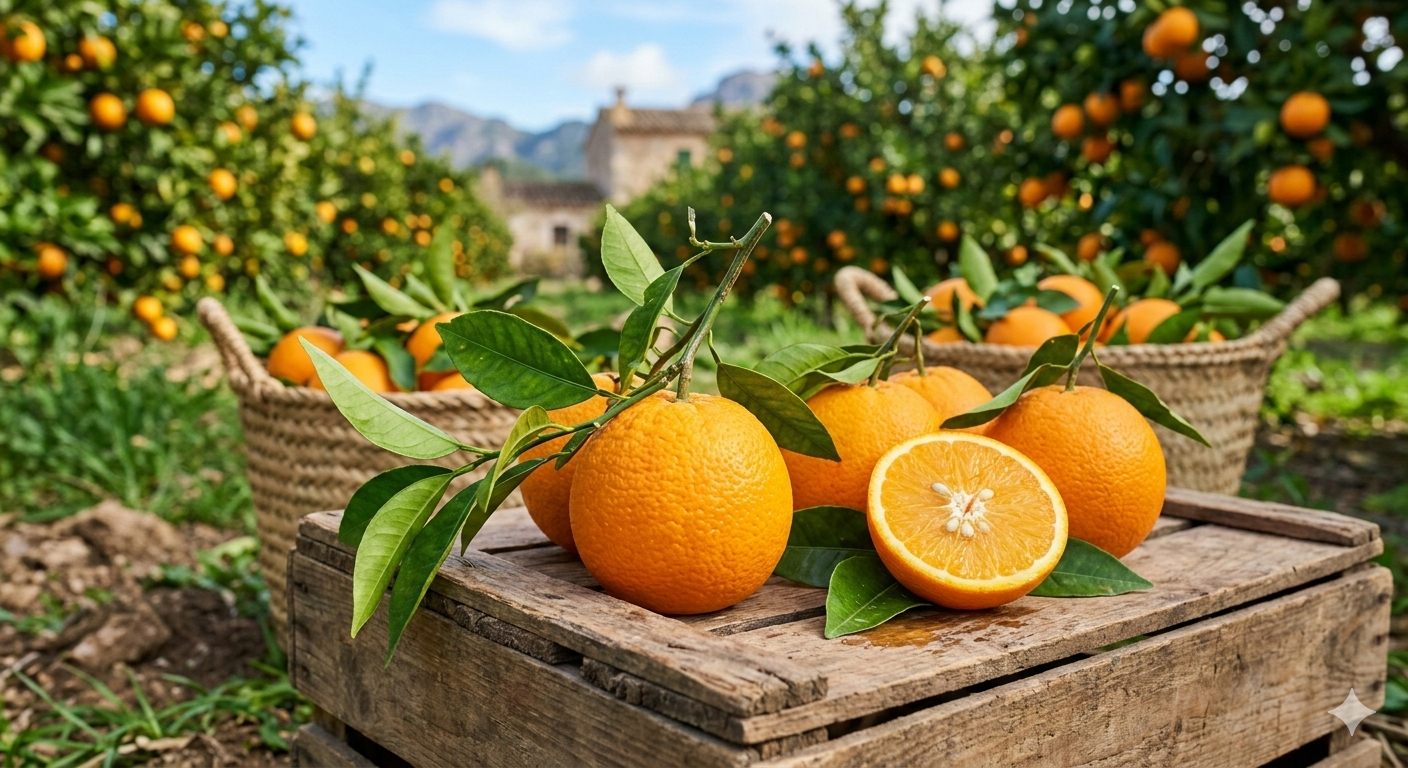
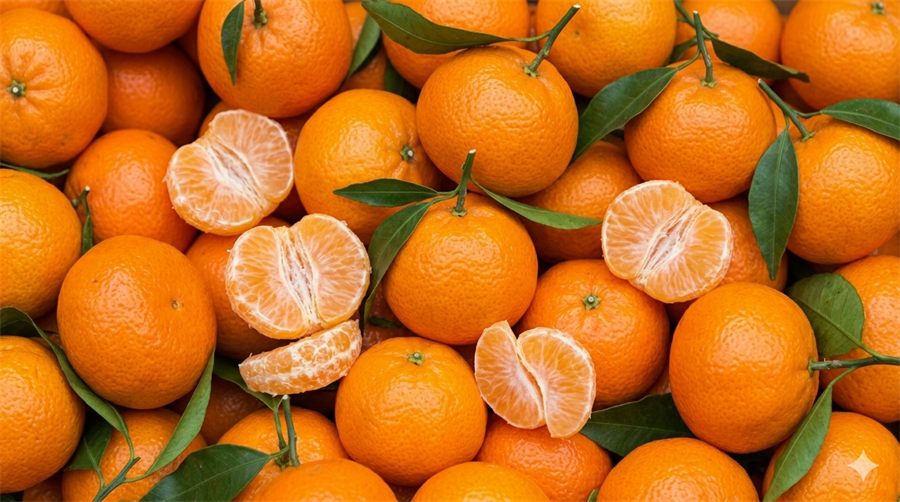
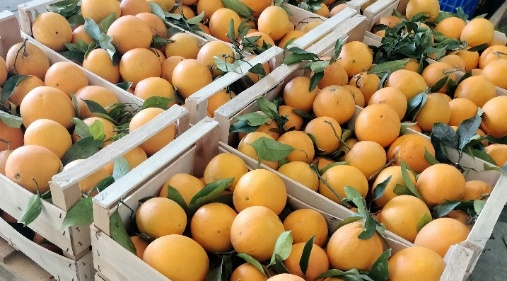
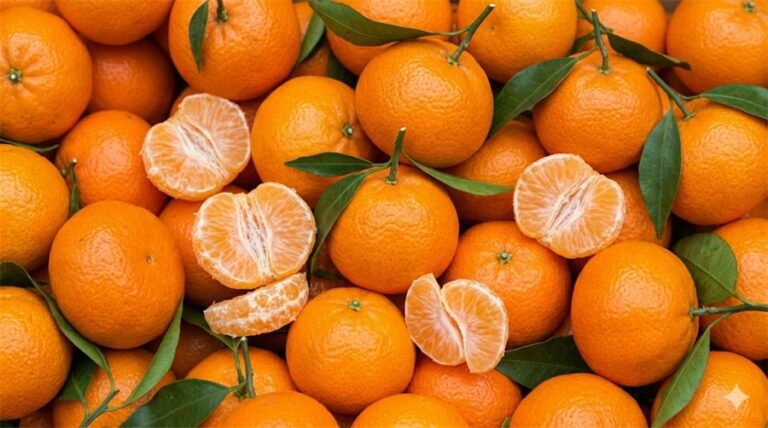
There’s one particular week, almost always in November, when the fields change
colour and the long season begins. The fruit cut in those first days is always the same: the
Navelina, the orange that opens the season in the Ribera del Xúquer.
It’s the best known of them all without hardly anyone knowing its name, because it’s the one in
the greengrocer’s at Christmas. Here’s what you can expect from it, and how it differs from the ones
that come after.
When exactly it starts
There’s no fixed date, and that’s worth saying first: the season starts when the autumn turns
properly cold. In November, or at the end of October in an early year.
Citrus needs cool nights to bring the acidity down and to turn colour. A warm October puts
everything back a fortnight; a cool one brings it forward. It’s the same reason
there are no local oranges in August: the tree keeps
its own calendar and doesn’t take instructions.
| Point in the season |
How the Navelina is |
| The first two weeks |
Good, but a little more acidic. It’s the novelty |
| December |
Its best moment. Sweet and full of juice |
| January |
Still very good. Starting to run out |
| From February on |
Gone: the Salustiana and Navelate carry on, and in comes the Lane Late |
What it’s like
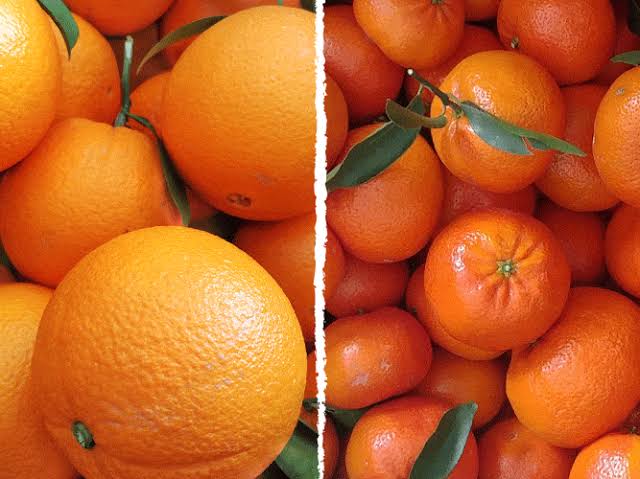
The Navelina belongs to the navel group, the eating oranges, and it shares with
the whole group the three features that make it so convenient.
It peels by hand
The white inner layer is a little thicker and less stuck to the segments, so getting a finger in
at the stalk is enough to pull the peel off in two or three goes. No knife, no board.
It has no seeds
None. Navels don’t produce viable seeds, and it’s why this is the orange you give children and
the one you slice into a salad without having to fish out pips.
It has a navel
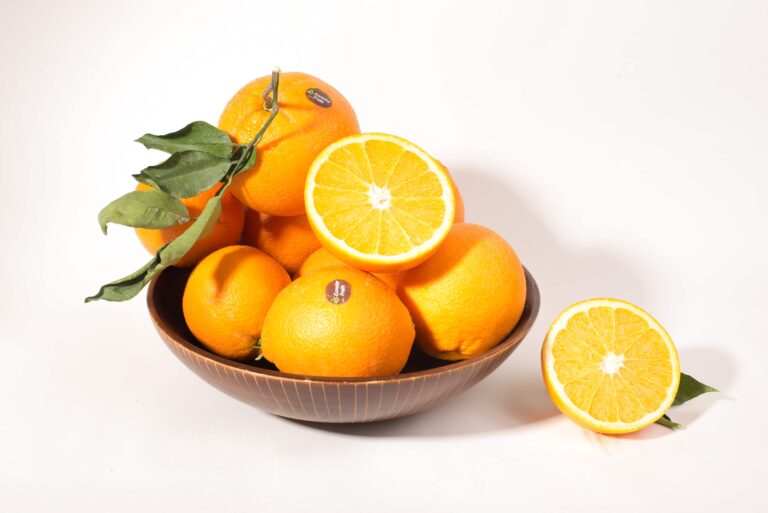
At the end opposite the stalk a tiny fruit pokes out, like a second segment inside the orange.
Hence the group’s name. It’s the infallible way to spot an eating orange anywhere.
The caveat: Navelina juice has to be drunk
This is the thing worth knowing before ordering fifteen kilos with breakfast in mind.
All navel varieties contain limonin, a compound that tastes of nothing in the
whole fruit. Once squeezed, in contact with the air and the juice’s own acid, it turns into its
bitter version. The process takes between twenty minutes and an hour.
In other words: freshly squeezed Navelina juice is excellent, and the same juice kept for
mid-morning tastes odd. It hasn’t gone off; that’s the chemistry of the fruit.
What to do if you want juice in November
- Squeeze it and drink it, that’s all. In the first ten minutes there’s no
problem.
- Freeze it if you have to make it ahead: cold slows the reaction considerably.
- Wait for December, when the Salustiana comes in — the winter juicing orange,
which doesn’t turn bitter even if it stands.
The full comparison of the four varieties is in
which is the best orange for juice, and the difference
between the two uses is in
eating oranges or juicing oranges.
Why the first fruit of the year isn’t the best of the year
There’s a widespread idea that the first of the season is the best, and with citrus it’s exactly
the other way round.
The sugar is made on the tree over the last weeks, and the acidity comes down slowly with the
cold of the nights. An orange picked in the first week of the season has had less time for
both than the same orange cut three weeks later.
That’s why the first Navelinas are good but a little more acidic, and the December ones are
rounded. It’s also when the price is best: at the peak of the season there’s plenty. The rule holds
for the whole catalogue and we set it out in
what seasonal fruit means.
And colour is no help in telling
An orange can be perfectly orange outside and green inside, in the sense of lacking sugar. Skin
colour is achieved in a chamber with ethylene — degreening — and it doesn’t ripen
the fruit one bit. So in October there can be flawless-looking oranges that have never seen a cold
night.
How long a box lasts and how to keep it
A Navelina weighs between 200 and 280 grams, so a 15-kilo box holds about 55 to
70 pieces. For two people eating one a day, more than a month.
And they keep: somewhere cool, dry and airy, three or four weeks without trouble. The keys are
not to pile them in a closed container and to take out the first damaged one as soon as it appears,
because mould jumps from one to another by contact.
The Navelina also has one thing in its favour here: it’s among the thickest-skinned varieties of
the whole season, and that skin is exactly what protects the fruit from drying out. It keeps clearly
better at home than a mandarin, and somewhat better than the spring Valencia Late, which arrives
with less margin because the May heat has already pushed it along.
The Navelina against the other three
The season lasts nine months because the varieties take turns. Put beside three others, the
Navelina comes out like this.
| Variety |
When |
Peeling |
Juice |
| Navelina |
Nov-Jan |
Very easy |
Drink at once |
| Salustiana |
Dec-Mar |
With a knife |
Very good |
| Navel Lane Late |
Feb-May |
Very easy |
Drink at once |
| Valencia Late |
Apr-Jul |
Awkward |
The best |
The Lane Late is its natural successor: also a navel, also peels by hand, also seedless, but it
comes in in February and holds until May. If you liked the Navelina, that’s the one to order
next.
What you’ll see in the box, and it isn’t a fault
An orange cut this week that reaches you in 48 hours doesn’t look like the one on the shelf, and
it’s worth saying so before you open the box.
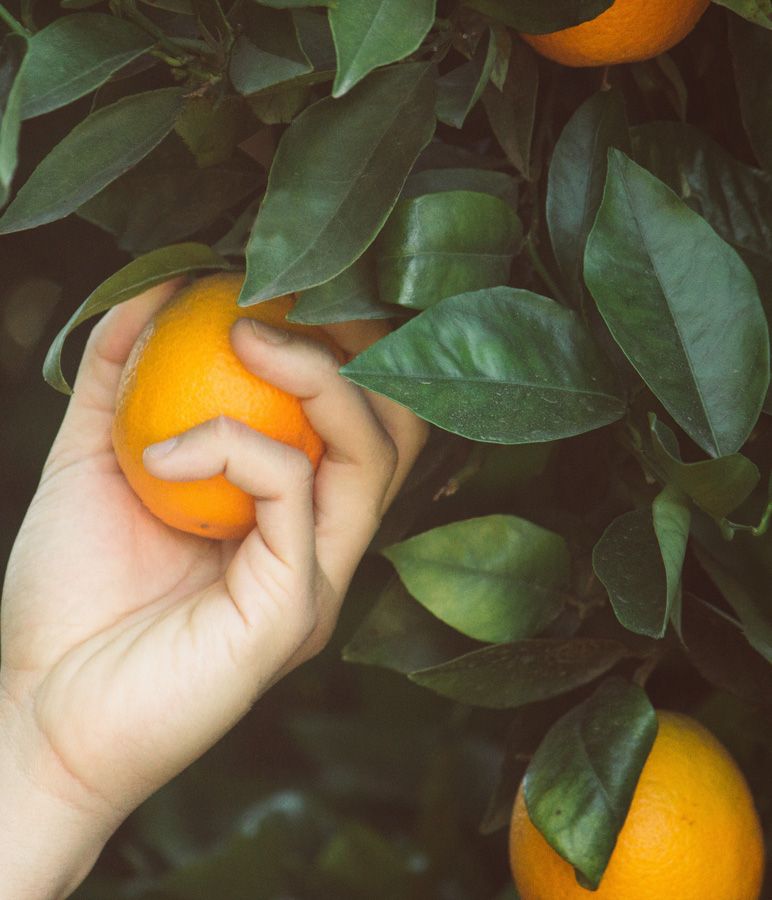
Leaves and the odd stalk
They’re in there on purpose: they’re the proof of the cutting date. A green leaf doesn’t last a
week, so if it arrives green, the fruit was picked days ago.
Marks and matt skin
Rubs from the wind against the branch, the odd surface blemish, uneven sizes. None of that affects
the inside: they’re the signs of fruit that hasn’t been through a grader or a waxing line.
And the odd green one in November
Early in the season the occasional fruit turns up with paler skin. As we don’t degreen, the colour
goes as it goes: the less handsome one is usually just as sweet.
How we handle it here
The box of oranges appears in the catalogue the day
picking starts, and what goes inside in November and December is Navelina. In January it changes on
its own to the next varieties, without you having to check anything: in the shop only what’s
being cut that week is there.
It’s picked after your order comes in and leaves for your home within 24 or 48 hours, with no cold
store or warehouse in between. You can see what there is now in
the oranges section, or understand why the catalogue empties for three
months a year in From tree to table.
When does the Navelina season start?
In November, or at the end of October in an early year, and it lasts until
January. The date moves a week or two each year because citrus needs cool
nights to bring the acidity down and change colour.
Is the Navelina any good for juice?
Yes, but you have to drink it at once. Like all navel varieties it contains
limonin, and the juice starts to turn bitter between twenty minutes and an hour after squeezing. For
juice that keeps, better the Salustiana or the Valencia Late.
Why does the Navelina have no pips?
Because navel varieties don’t produce viable seeds. It’s a genetic feature
of the group, not something done to the fruit.
Are the first oranges of the season the best?
No. The sugar is made on the tree over the last weeks and the acidity comes
down with the cold, so the first ones are a little more acidic. The Navelina’s best moment is
December.
How long does a 15-kilo box of Navelina last?
It holds between 55 and 70 pieces. For two people eating one a day, more
than a month, and somewhere cool and airy they keep for three or four weeks.