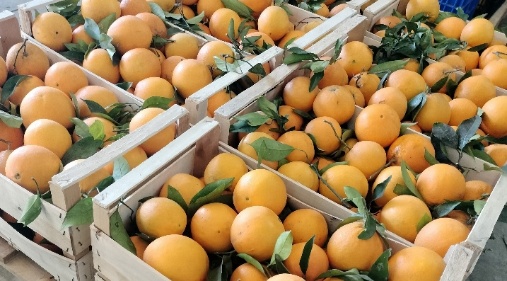
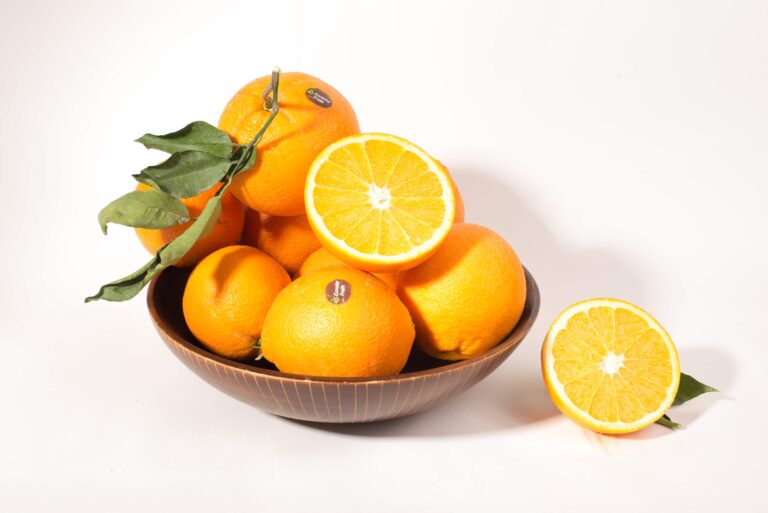
Every August we get the same message: “haven’t you got any oranges?”. And the short answer is
that nobody has, at least not freshly picked in Spain. What’s in the shops in
August has spent months in a cold store or crossed half the world by sea.
The long answer has to do with how an orange tree works, which is a good deal slower than it
looks.
An orange tree takes a year to make an orange
This is the fact that explains almost everything: between the blossom appearing and the orange
being ready, eight to twelve months go by, depending on the variety. It isn’t a
short-cycle crop like a tomato or a courgette, which go from flower to plate in weeks.
The tree’s calendar is this:
| When |
What happens on the tree |
| March-April |
The orange blossom opens. Three or four weeks of white flower |
| May-June |
The fruit sets. The tree drops most of it and keeps what it can feed |
| July-September |
The orange swells. It’s green, hard and acidic |
| October-November |
The colour turns and the sugar rises |
| November-July |
It’s picked, depending on the variety |
By the time August arrives, the orange tree does have fruit: the fruit you’d
see if you looked into one of our groves. But they’re green oranges the size of a walnut, acidic
and with barely any juice. They belong to the following season, the one picked from November
onwards.
And spring’s blossom is today’s honey
There’s a nice connection between the two. That spring blossom which will give the winter’s
oranges is also the one the bees work: that’s where
orange blossom honey comes from, which is harvested in April and keeps for years.
In other words: in August there are no oranges, but the blossom that will give them has already given its honey.
So where do August’s oranges come from?
From two places, and neither is a Spanish grove in production.
From cold stores
Oranges picked in spring and kept in cold at controlled temperature and humidity for months. The
technique works: the fruit doesn’t rot. But it loses water and aroma along the
way, and that’s why an August orange usually weighs less than it looks and gives less juice than
you expect.
To last that long, that fruit is normally waxed and treated with post-harvest fungicides. It’s
legal and regulated, but worth knowing if you were planning to zest the peel.
From the southern hemisphere
South Africa, Argentina, Uruguay, Peru or Chile. Down there the seasons run the other way round:
when it’s summer here, it’s winter there and they’re in full season. The fruit is good — in fact
usually better than cold-store fruit — but it arrives after weeks at sea and
thousands of kilometres.
How to tell them apart in the shop: the country of origin has to be labelled. If
in August it says South Africa or Argentina, it’s fruit imported from their season. If it says
Spain, it’s from a cold store.
Degreening: why there are already orange oranges in October
There’s an obvious question once you’ve read all this: if the season doesn’t start until
November, why are there already perfectly coloured oranges in the supermarket in October?
The answer is a technique called degreening, and it’s worth understanding
because it changes how you look at the colour of fruit for good.
What it is
The fruit is put in chambers with a low concentration of ethylene, the same
hormone plants produce naturally. Ethylene breaks down the chlorophyll in the skin, and as the
green disappears the orange that was already underneath shows through.
In two or three days a green orange comes out of the chamber looking as though it’s at its
peak.
What it doesn’t do
And here’s the important part: degreening doesn’t ripen the fruit. It doesn’t
raise the sugar, doesn’t lower the acidity, doesn’t improve the flavour. It only changes the colour
of the skin.
It’s legal, it’s regulated and it leaves no residue. But it means that the colour of an
orange tells you nothing about whether it’s any good, and that a flawless-looking orange
in October can be fairly acidic inside.
It happens the other way round too: the Valencia Late regreens in spring with
the heat and takes back some chlorophyll in the skin while being perfectly ripe. A greenish orange
in May is usually at its very best.
What it costs to bring an orange from the other hemisphere
Imported fruit isn’t bad, but it carries three things worth bearing in mind.
It’s cut earlier
An orange that’s going to spend three or four weeks at sea can’t be cut at its peak: it has to be
picked with a margin. That margin is paid for in sugar, which it will now never make, because
citrus doesn’t ripen once it’s been cut.
It’s treated
To survive the journey without fungus or drying out, waxes and post-harvest treatments are
applied. They’re regulated and safe, but they rule out zesting or candying the peel.
And the transport
A refrigerated container from South Africa to a European port is between twenty and thirty days
at sea, plus the lorry to the depot and another to the shop. Compared with a box that leaves
Albalat and arrives in 24 or 48 hours, there’s no contest on emissions or on freshness.
Why we’d rather say there aren’t any
We could buy cold-store oranges from a wholesaler, put them in our boxes and sell them from
August to October. Nobody would notice and we’d invoice three more months a year.
We don’t, for a practical reason: the only advantage we have over a supermarket is that
the fruit is cut the day we prepare your order. If we put in cold-store fruit, that
advantage disappears and we’re no different from anyone else.
So the catalogue runs short three months a year. That’s the price of it being, when it says
oranges, oranges picked that week. It’s set out in full in
From tree to table.
What a grower does in summer
No oranges doesn’t mean the fields are idle. July and August are among the busiest months of the
year, even though in August not a single box of oranges goes out.
Watering, a lot
It’s the critical month. The fruit is swelling and needs constant water; a dry spell in July
gives small oranges in January. In the Ribera we water by drip and at night, when less of it evaporates.
Thinning
The tree sets far more fruit than it can feed and drops some by itself, but sometimes that isn’t
enough. Thinning is taking fruit off by hand so that what’s left has size and sugar. It’s slow and
counter-intuitive work: you throw away produce in June to have better produce in January.
Pruning and keeping watch
Summer pruning opens up the canopy to let in light and air, which is the best defence against
fungus. And you watch for the pests that come with the heat, above all the fruit fly, which turns
up just as the fruit starts to change colour.
The consequence: the orange you eat in January was decided in July. What is or
isn’t done in summer is what turns up in the box six months later.
What you can order now
Summer isn’t empty, it just has other things:
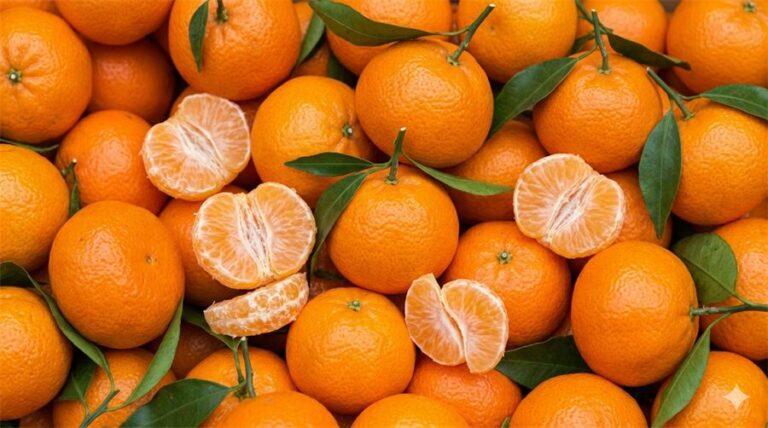
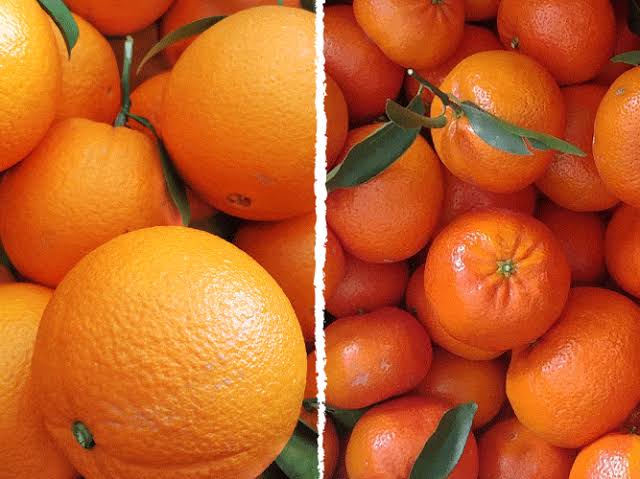
- Mandarins. In September the mandarin comes back, with the Okitsu, the first
of the season.
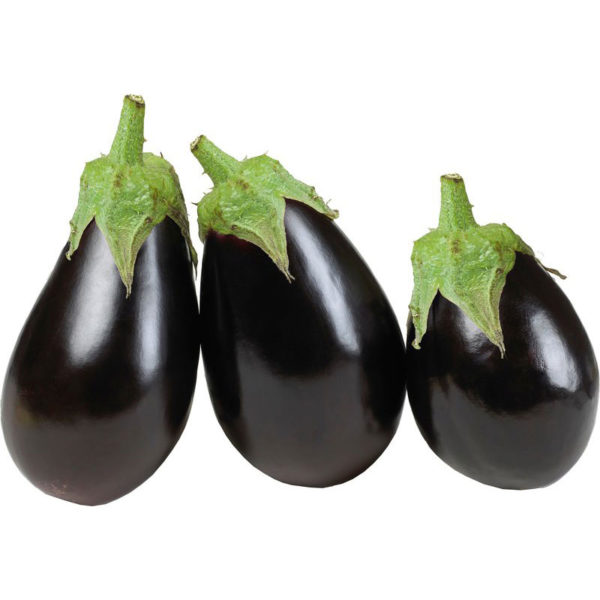
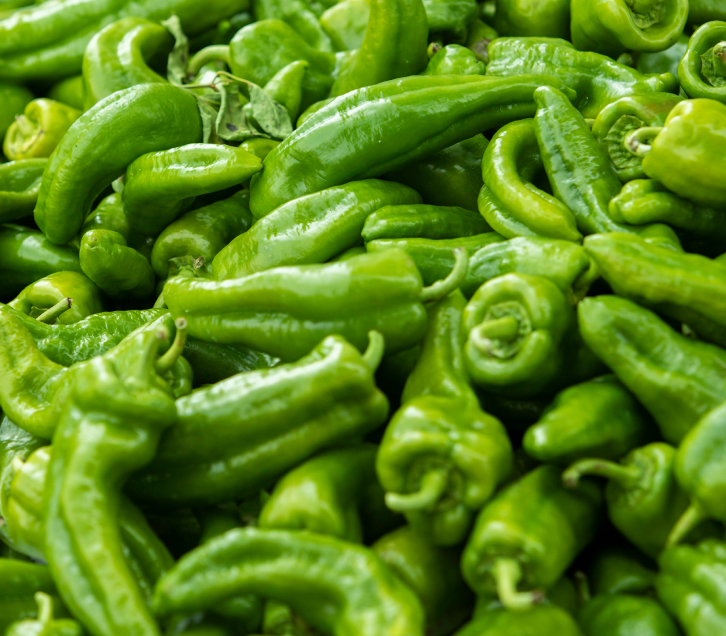
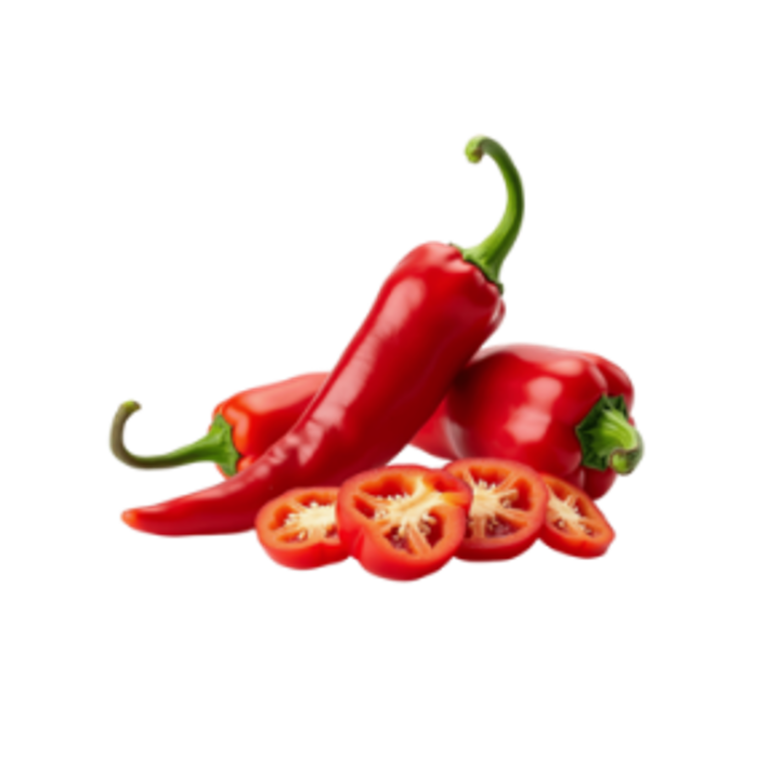
- Summer market garden. Italian frying peppers and aubergines, which are at their
best exactly when the citrus is resting. In
the vegetables section.
And if what you want is oranges, the season starts in November.
Write to us and we’ll let you know when it does.
Why are there no Spanish oranges in August?
Because the orange tree blossoms in spring and the fruit takes between
eight and twelve months to ripen. In August the oranges on the tree are green and the size of a
walnut: they belong to the following season, picked from November onwards.
Where do the oranges sold in summer come from?
From cold stores, where they have been kept since the spring, or from
southern hemisphere countries such as South Africa, Argentina, Uruguay or Peru, where it’s winter
when it’s summer here.
Is cold-store fruit worse?
It isn’t unsafe, but it loses water and aroma over the months of cold: it
weighs less and gives less juice. It’s also usually waxed and treated so it lasts, so its peel isn’t
the best one for zesting.
When will there be oranges again?
In November, with the Navelina variety. The
date moves a week or two each year depending on how the autumn comes in.
What can you order in August?
Summer market garden vegetables: Italian frying peppers and aubergines. And in
September the mandarin comes back, with the Okitsu.