Bunyols de carabassa are the smell of Fallas, but there’s no law saying you have to wait for
March. Butternut squash is in the field from June and the dough has four
ingredients.
What separates a light, hollow, crisp buñuelo from a ball of oil isn’t the recipe: it’s the resting of
the dough and the state of the oil. With those under control, they work first time.
- Preparation1 h 30 min
- Frying25 min
- Total2 h
- Makes30 buñuelos
Ingredients
- 500 g pumpkin (prepared weight)
- 500 g strong bread flour
- 25 g fresh baker’s yeast
- 150 ml warm water
- 1 teaspoon salt
- Mild olive oil or sunflower oil, plenty of it
- Sugar, for rolling
- Lemon zest, optional
Fresh baker’s yeast, not baking powder: buñuelos ferment, they don’t rise in the pan.
If you only have dried, 8 grams. And strong flour if you can, which stands a long rise better than plain
flour.
How it’s made
- Roast the pumpkin. In large pieces with the skin on, at 200 degrees, about 40 minutes, until
it collapses when pricked. Roasted, not boiled: boiled it fills with water and the dough demands far more
flour.
- Scoop the flesh out with a spoon and mash it with a fork. Let it cool: hot, it kills the
yeast.
- Dissolve the yeast in the warm water — properly warm, not hot to the finger — and wait five
minutes for it to foam.
- Mix. Pumpkin, flour, salt, the dissolved yeast and the zest if you’re using it. Knead by hand
or with a wooden spoon until you have a sticky, soft dough, closer to a thick batter than to bread
dough. That’s the point: if it comes cleanly away from the bowl, it has too much flour.
- Let it rise covered with a cloth, somewhere warm, for an hour to an hour and a half,
until it doubles and is full of bubbles.
- Heat the oil to 180 degrees, and have some depth to it: the buñuelos need to float, not touch
the bottom.
- Shape the buñuelo. With a wet hand, take a piece the size of an egg, make a ball and push your
index finger through it to make the hole in the middle. It goes into the oil in the same
movement.
- Fry about two minutes a side, until golden. They turn themselves when they’re ready, and if
not, a nudge with a slotted spoon.
- Drain and roll in sugar while they’re hot, which is when it sticks.
Why the hole
It isn’t decorative. A ball of dough that size browns outside before the centre cooks, and comes out
raw inside. The hole lets heat in from both sides so the buñuelo cooks all the way
through in the same time.
The wet hand, meanwhile, is what stops the dough sticking to your fingers: you wet it each time, you
don’t flour it. With flour, the buñuelo comes out coarse on the outside.
The three usual mistakes
Dough that’s too stiff
The commonest one, and it comes from adding flour to stop it sticking. Stiff dough gives compact
buñuelos with no holes inside. It has to be awkward to handle: that’s what the water on your hands is
for.
Not enough resting
Without a full ferment, the buñuelo doesn’t puff and stays dense. The dough is ready when it has
doubled and you can see the network of bubbles as you move it. In winter it takes longer: near a radiator
or inside a switched-off oven with the light on.
Cold oil
Below 170 degrees the buñuelo soaks before it seals and comes out greasy. Above 190 it burns outside
and stays raw inside. And with too many at once the temperature collapses: six at a time at most.
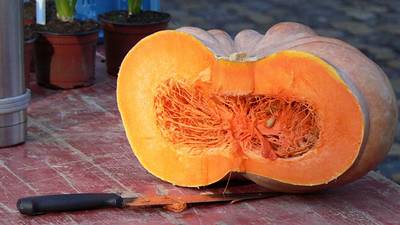
Which pumpkin to use
Both from the catalogue work and give different results:
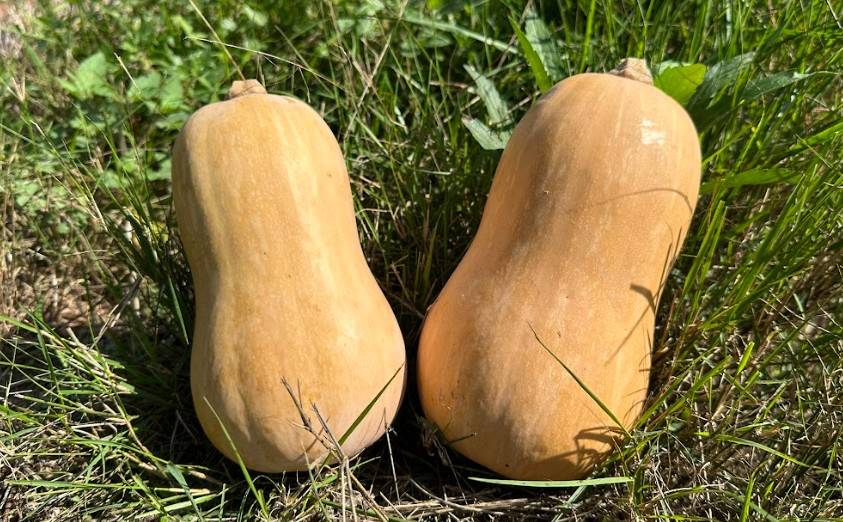
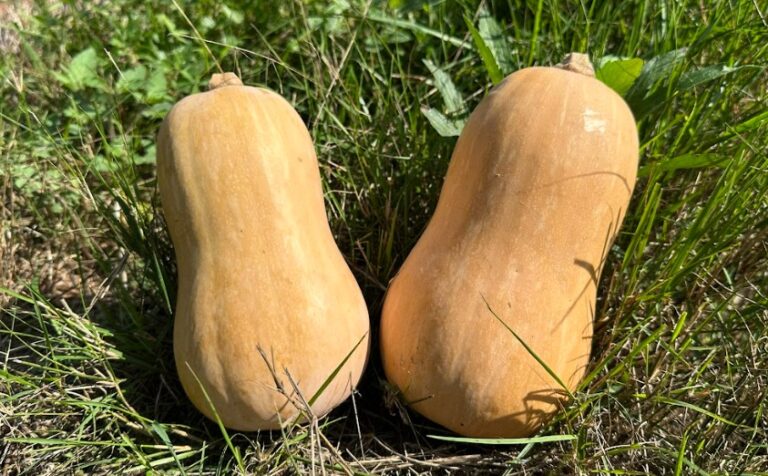
- The butternut squash has denser flesh with less water, so the
dough needs less flour and the buñuelo comes out finer. It also peels with an ordinary peeler.
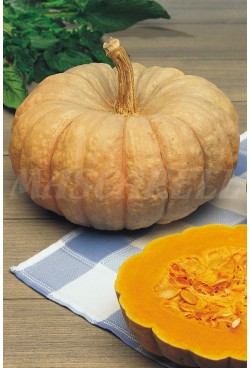
- The sweet roasting pumpkin is juicier and sweeter, and
gives a buñuelo with a more pronounced flavour.
The differences, in detail, are in
the two squashes. Either keeps three or four
months whole somewhere cool and dry, so one October purchase gives buñuelos into January.
A kilo of prepared pumpkin comes from one medium piece, and as the butternut is solid all the way up
the neck, almost all of it is usable: the seeds are only in the bottom part. The big roasting pumpkin is
hollow inside, so you need to buy considerably more weight to get the same 500 grams of roast flesh.
How they’re eaten and how long they last
Freshly made and hot, no argument. A two-hour-old buñuelo isn’t the same thing: it softens and the
sugar goes damp.
- With thick drinking chocolate, which is how they’re eaten in the street during
Fallas.
- With sugar and cinnamon instead of sugar alone.
- With orange blossom honey over the top instead of sugar, a less sweet and more
aromatic version.
The raw dough can be made ahead: mixed and unrisen, it keeps overnight in the fridge. Take it out an
hour before frying so it finishes fermenting at room temperature.
From Fallas, and from before
The Valencian buñuelo predates the modern Fallas: it was street and festival food, made in the doorway
with a pan of oil, and pumpkin is the ingredient that sets it apart from the plain fritters of other
regions. The March buñuelo stalls are the tidy version of a much older habit.
And it has its seasonal logic: pumpkin is picked at the end of summer and keeps for months in the
pantry, so there was still some in March. It was, simply, what was left.
Why do buñuelos have a hole in the middle?
So heat gets in from both sides and the buñuelo cooks through in the same time
it browns outside. Without the hole, the centre stays raw.
Can the dough be made with boiled pumpkin?
It can, but boiled pumpkin absorbs water and forces you to add far more flour,
which makes the buñuelo dense. Oven-roasted it’s concentrated and the dough is much better.
Why do mine come out greasy?
Almost always because the oil is cold: below 170 degrees the dough soaks before
it seals. It helps to fry few at a time, because every buñuelo that goes in drops the temperature.
How long does the dough have to rest?
An hour to an hour and a half somewhere warm, until it doubles in volume and you
can see bubbles. In winter it takes longer; inside a switched-off oven with the light on works well.
Can buñuelos be frozen?
Once fried they don’t hold up: they lose their crunch. What you can do is leave
the dough made overnight in the fridge and take it out an hour before frying.