Arnadí is among the oldest sweets still being made in the Valencian Community, and it’s
surprising how little it’s known outside Xàtiva and the Costera. There’s no flour
in it, no butter and no raising agent: it’s roast pumpkin, almond and cinnamon.
Its date is Easter week, but it’s made with pumpkin, which is picked in September and keeps for
months in the pantry. In autumn it’s at its best.
- Preparation1 h 30 min
- Oven45 min
- Total2 h 15 min
- Serves8
Ingredients
- 1 kg pumpkin (prepared weight)
- 250 g ground almonds
- 250 g sugar
- 2 egg yolks
- 1 teaspoon ground cinnamon
- The zest of 1 lemon
- 50 g pine nuts
- 12 whole almonds, to decorate
The ground almond — marcona, if you can — is what gives it body: here it does the job flour would
do in any other sweet. Ground at home, from raw almonds and a burst of the food processor, it tastes
a good deal more than the ready-ground kind, which has been sitting around and has lost its oil.
How it’s made
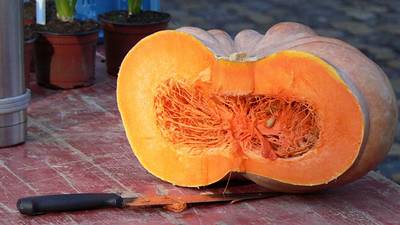
- Roast the pumpkin. In large pieces with the skin on, at 200 degrees, about 45 minutes,
until it collapses when pricked. In the oven, never boiled: boiled it fills with water and the
arnadí doesn’t set.
- Drain it. This is the step that decides the pudding. Scoop the flesh out with a
spoon, put it in a sieve over a bowl and leave it at least two hours, or overnight in the
fridge. It releases a great deal of liquid.
- Mash and dry. With a fork, and if you can still see water, a couple of minutes in a pan
over a medium heat, stirring, until the paste comes away from the base.
- Mix cold. Pumpkin, sugar, ground almond, cinnamon and lemon zest. Then the yolks, one at
a time.
- Let the mixture rest for half an hour: the almond absorbs moisture and the texture
changes quite a lot in that time.
- Divide between small earthenware dishes — the traditional ones — or into a shallow tin,
about two fingers deep. No more: the arnadí has to cook through without burning outside.
- Decorate with the pine nuts and the whole almonds pushed into the surface in a
pattern.
- Bake at 180 degrees for about 45 minutes, until the top is golden and firm to the touch.
If it browns too soon, a sheet of foil over it.
- Let it cool completely before eating. Warm it’s soft and looks as though it hasn’t
worked; as it cools it firms up.
The draining is everything
If there’s one reason an arnadí goes wrong, it’s water.
Pumpkin is more than ninety per cent water. Roasted and drained it becomes a dense, sweet paste;
undrained, the sugar and the almond can’t absorb that much liquid and the result is a damp cake
that never sets in the middle.
The test: tip the sieve after two hours and liquid should still run out. When it stops, it’s
ready. And if you’re in a hurry, the pan over a medium heat speeds things up without spoiling
anything.
Which pumpkin
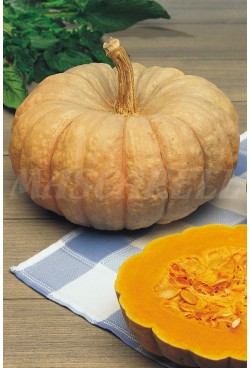
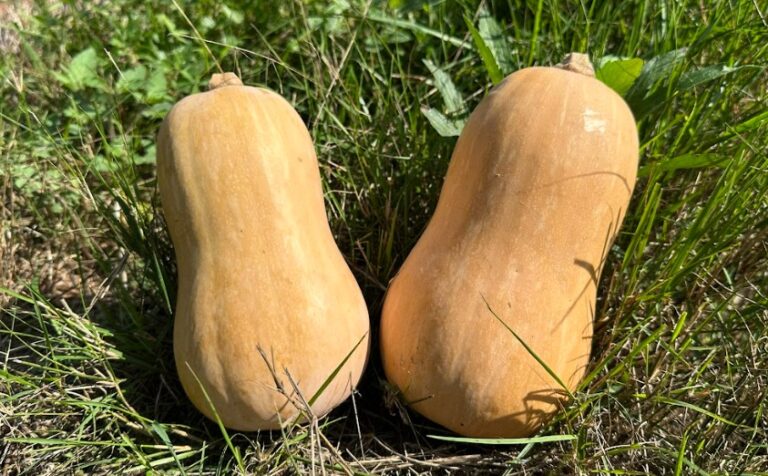
The sweet roasting pumpkin is the one for it, which
is where the name comes from: it’s juicier and sweeter, and roasted it falls apart on its own. The
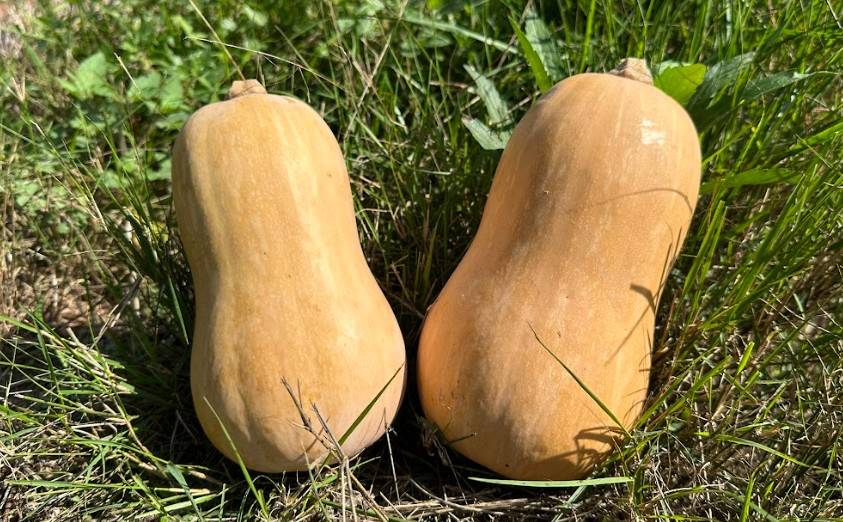
butternut works too — it gives a slightly denser, slightly
less sweet arnadí — and it has the advantage of peeling with an ordinary peeler. The differences are
in the two squashes.
Some households make it half pumpkin and half sweet potato, and in Xàtiva there are people who
make it with sweet potato alone: both versions are equally old.
How long it keeps
A good while, and that’s part of its point. Somewhere cool and covered, four or five
days; in the fridge, more than a week. As happens with a lot of almond sweets, on the
second day it’s better than freshly made: the moisture spreads out and the texture settles.
It freezes too, once baked and in portions, for up to three months. And it travels well, which is
another of its qualities: it was a sweet made to be carried, baked in individual dishes for exactly
that reason.
The only thing that harms it is heat: in summer, without a fridge, the almond turns rancid sooner
than you’d think.
How it’s served
It’s a dense and very sweet thing, so the portion is small: one individual dish or a square two
fingers across. It’s eaten cold or at room temperature, never hot, and with a
spoon.
- On its own, just as it is, which is how it’s eaten in Xàtiva.
- With a coffee, mid-afternoon: its natural companion.
- With a spoonful of unsweetened cream or Greek yoghurt, which cuts the
sweetness.
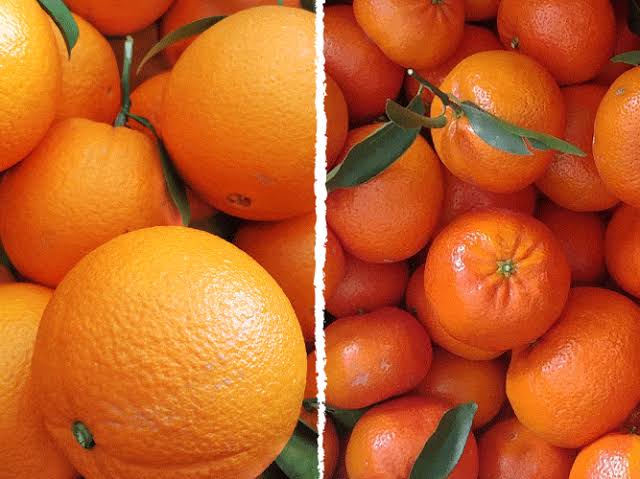
- With mandarin segments alongside in winter, for acidity and to clean the
palate.
And a note for anyone trying it for the first time: the texture isn’t that of a sponge cake.
Arnadí is compact and moist, closer to a soft turrón or a juicy marzipan. It isn’t raw: that’s how
it is.
Variations
- With sweet potato, either all of it or half and half with the pumpkin.
- With honey in place of some of the sugar: with
orange blossom honey it comes out more aromatic and
less sweet all at once.
- With whipped egg white folded in at the end, which leaves it lighter.
- With anise or orange blossom water, a couple of spoonfuls, which is how it was
made in some households.
- Without egg, with a little more almond: it comes out denser, almost like a
turrón.
A sweet with centuries behind it
Arnadí is an Andalusi inheritance, and it shows in everything: almond as the base, the absence of
flour, the cinnamon, the baking in an earthenware dish. It’s been documented in Xàtiva for centuries
and there it’s still the Easter sweet, the one bought in the pastry shops of the old town in its
individual dish.
Its name, depending on which version you trust, comes from Arabic or from an old word for pumpkin
sweets. As with titaina, the name got lost along the
way and the recipe didn’t.
What is arnadí?
A traditional sweet from Xàtiva made with roast pumpkin — or sweet potato —
ground almonds, sugar, cinnamon and lemon zest, baked in an earthenware dish and decorated with pine
nuts and almonds. There’s no flour in it.
Why does my arnadí come out wet?
Because the pumpkin hasn’t been drained enough. It has to be roasted, not
boiled, and the flesh left in a sieve for at least two hours — overnight is better — before anything
is mixed in.
Can it be made with sweet potato?
Yes, and it’s just as traditional: in Xàtiva it’s made both ways, and half
and half as well. The sweet potato version comes out slightly sweeter and more compact.
How long does arnadí keep?
Four or five days covered somewhere cool and more than a week in the
fridge. On the second day it’s usually better than freshly made.
Do you need an earthenware dish?
It’s the traditional one and it spreads the heat better, but a shallow
baking tin will do. What matters is that the mixture is no more than two fingers deep, so it cooks
through without browning too much outside.