“Seasonal” is on the label of almost everything, and from being used so much it has stopped
meaning a great deal. But behind it there’s something very concrete that changes inside the fruit,
and it explains why an orange in January and one in August don’t taste the same even when they’re
the same variety.
What it actually means
Seasonal fruit is fruit picked at its natural point of ripeness and eaten soon
after. Three conditions, and all three matter:
- It’s cut ripe. Not green so it survives the journey.
- It’s cut nearby. Because if it has far to go, it can’t be cut ripe.
- It’s eaten soon. Days, not months in a cold store.
Notice that the three are chained together. As soon as you break one, the other two fall: if the
fruit has to travel 4,000 kilometres, there’s no choice but to cut it green; and once it’s cut
green, it no longer ripens the same way.
What happens inside fruit cut green
Here’s the key, and it’s where most people are surprised: not all fruit goes on ripening
after it’s cut, and the fruit that does doesn’t ripen in the same way.
The ones that go on ripening
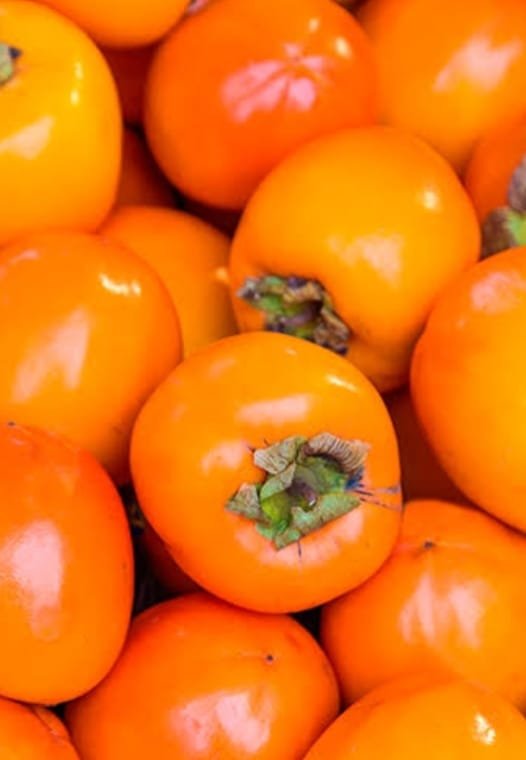
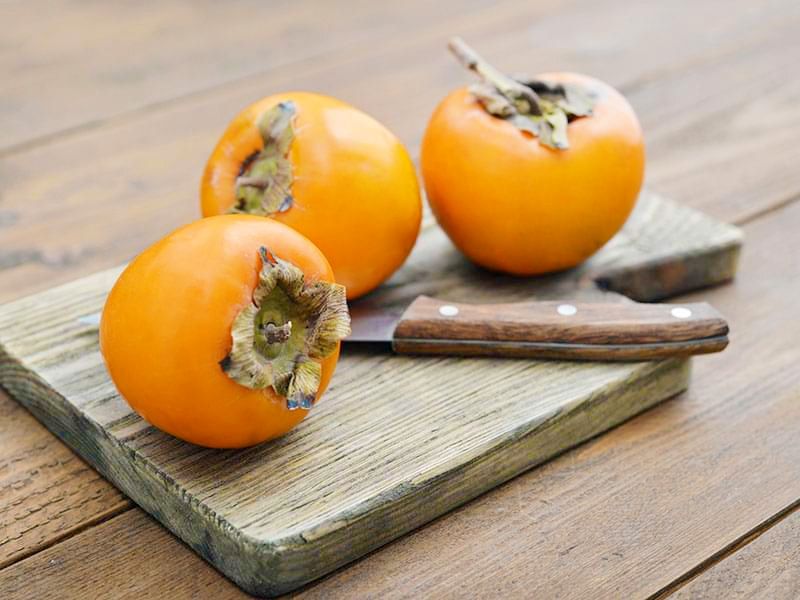
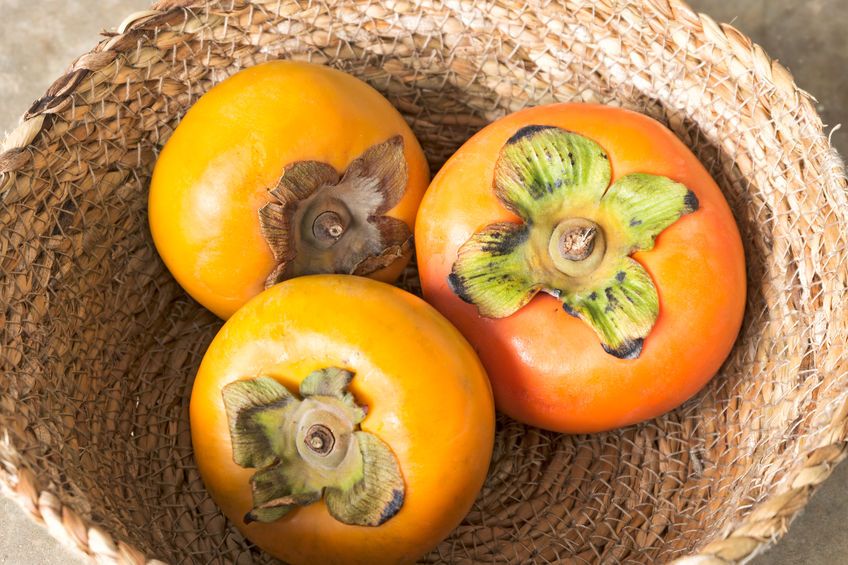
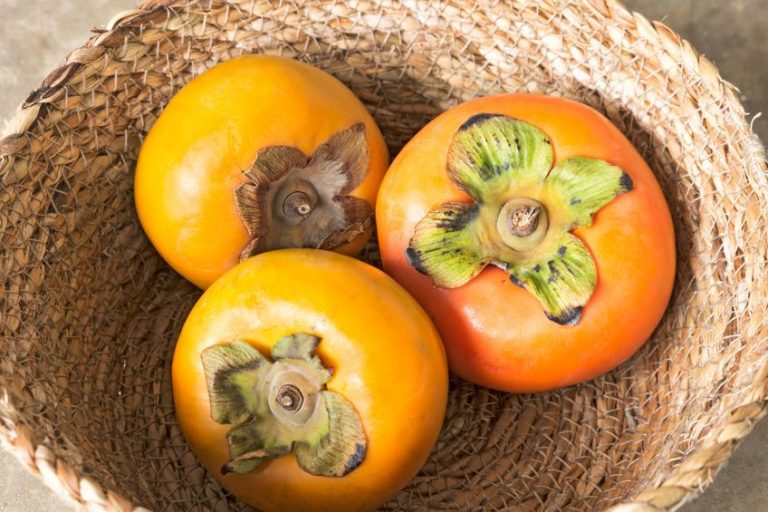
Bananas, avocados, tomatoes and persimmons carry on off the tree. They produce ethylene, a plant
hormone that triggers ripening, and that’s why a green banana turns yellow in the fruit bowl. It’s
what makes it possible to harvest them green and sell them ripe.
But there’s an important qualification: they soften and change colour, yes; new sugar,
no. A fruit’s sugar is made on the plant. If you cut it too early, that sugar is never
going to arrive.
The ones that don’t ripen any further
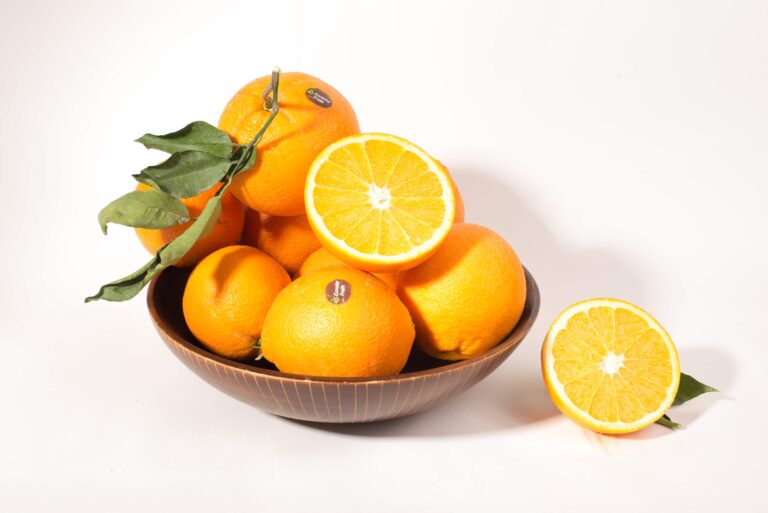
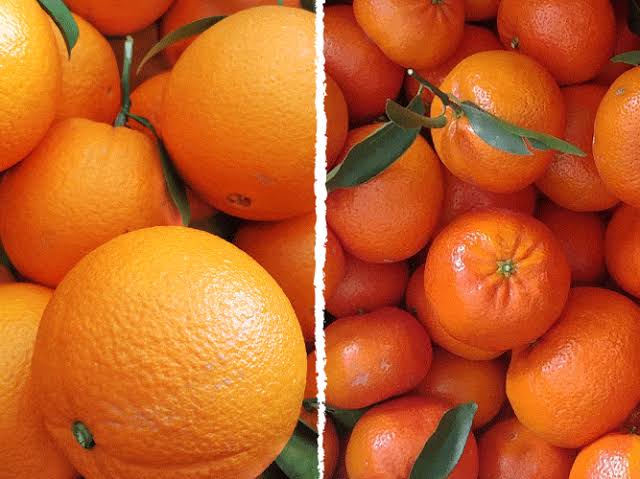
Citrus is in this group, and it’s a decisive difference. An orange cut green stays
green: it gains no sugar, loses no acidity, doesn’t improve. The only thing that can change
is the colour of the skin, and that’s done in chambers with ethylene — the well-known degreening —
without the fruit ripening one bit inside.
That’s why with citrus the season isn’t a whim: it’s the only way for the fruit to arrive with
sugar in it. If the orange didn’t have it when it was cut, it never will.
The practical consequence: with an orange there’s no second chance. With a
banana, three days in the kitchen fixes it. With a bland orange, there’s nothing to be done.
What changes in the flavour
Three concrete things, all of them measurable.
The sugar
It’s measured in degrees Brix and it rises over the last weeks on the tree. Fruit that stays
those extra weeks comes in well above the legal minimum. Fruit cut the moment it meets the standard
sits right on the floor.
The aroma
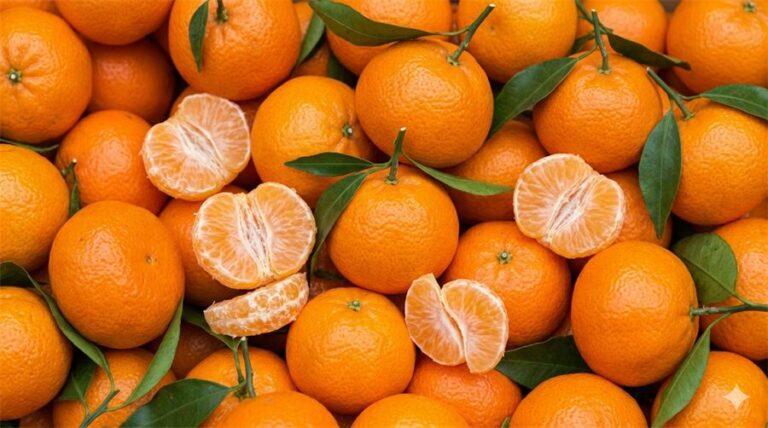
It’s the first thing lost and the most noticeable. The essential oils in citrus peel — what you
smell when you peel a mandarin — break down with time and with cold. Fruit that has spent months in
a cold store keeps some of the flavour, but the smell has all but gone.
The water
Fruit transpires, even in cold storage. Every week in store takes a little weight off it, and that weight
is juice. That’s why a seasonal orange weighs more than it looks and a cold-store
one weighs less.
How fruit is kept available all year
If citrus doesn’t ripen once it’s cut and the season lasts nine months, how are there oranges
all twelve? With three techniques, all legal and all with a cost.
Cold
The oldest and most used. The fruit is kept at between 3 and 8 degrees with controlled humidity,
which slows its metabolism almost to a stop. It can last months. What it can’t do is improve: it
comes out as it went in, minus the water it has been losing.
Controlled atmosphere
One step further: as well as the cold, the oxygen in the chamber is lowered and the CO₂ raised.
The fruit breathes less and keeps even longer. It’s what puts apples from last year’s harvest on the
shelf in high summer.
Cross-hemisphere imports
The modern solution: bring it from the opposite hemisphere. While it’s summer here, in South
Africa or Argentina it’s the height of the season. The fruit is in season there, but it
arrives after weeks at sea.
None of the three is a deception. They simply explain why the shelf always looks the same and
why, even so, an orange in January and one in August don’t taste alike.
And what “seasonal” doesn’t mean
Two common confusions are worth clearing up, because they’re what let the label be used on things
that aren’t.
It isn’t the same as organic
They’re independent things. There can be organic fruit brought from Peru out of season, and
seasonal fruit grown conventionally ten kilometres from your house. Organic is about how it’s grown;
seasonal is about when and from how far it arrives.
It isn’t the same as “local”
A Spanish orange in August is local, but it isn’t seasonal: it’s from a cold store. Origin on its
own says nothing unless the month comes with it.
How to tell whether what you’re buying is in season
Without trusting the label, there are signs that work:
| Sign |
What to look at |
| The month |
The most reliable. Check the picking calendar |
| The weight |
Seasonal fruit weighs more than it looks for its size |
| The shine |
Matt skin. Shop-window shine is wax |
| The uniformity |
If they’re all identical, they’ve been through a grader and a warehouse |
| The price |
At the height of the season it falls. Out of season it always rises |
What out-of-season fruit costs
Eating strawberries in December or oranges in August is possible, and sometimes you fancy it. But
the price isn’t only on the label.
In your pocket
That’s the visible part: out of season the price always rises, because months of cold storage or
thousands of kilometres of refrigerated transport have to be paid for. At the height of the season,
by contrast, there’s plenty and the price falls.
In the flavour
We’ve seen it already: sugar that was never made, aroma that broke down, water that was lost.
It’s why a lot of people say “fruit doesn’t taste like it used to”. It isn’t nostalgia: it’s that
almost all fruit used to be seasonal, because there was no other way of having it.
In the fields
This is the least obvious one. When what people eat comes loose from the calendar, the local
grower competes all year against fruit from anywhere in the world, and the only way to compete is to
drop the price. Buying seasonal and buying nearby is what keeps fields here at all.
Season, price and why it’s sometimes worth waiting
There’s a particular moment in every season when the fruit is both better and cheaper: the
peak of the harvest, when it’s no longer the first — always the dearest and the
least sweet — but not yet the last.
| Point in the season |
How the fruit is |
| The first weeks |
Expensive and a little acidic. It’s the novelty, not the best point |
| The peak |
The best balance: good price and at its best |
| The end |
Good, but running out. And what comes next is cold-store fruit |
With oranges, that peak runs from January to March. With persimmons, November.
With mandarins, December.
How we do it here
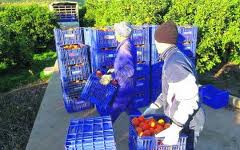
The simplest way to guarantee the three conditions is not to break any of them: the fruit is
picked after your order comes in, in Albalat de la Ribera, and it leaves for your
home within 24 or 48 hours.
That forces a catalogue that runs short three months a year, because
there are no oranges from August to October. But it’s what means
that when there are, you get them with their sugar and their aroma. You can see
what there is this week or read how we work in
From tree to table.
What does it mean for fruit to be seasonal?
That it has been picked at its natural point of ripeness, near where it’s
sold, and eaten soon after, without months in a cold store. The three conditions go together: if the
fruit travels far, it can’t be cut ripe.
Does fruit ripen after it’s cut?
Some does and some doesn’t. Bananas, avocados and persimmons soften off
the tree, but they make no new sugar. Citrus doesn’t ripen at all: an orange cut green stays green
for good.
Is seasonal the same as organic?
No. Organic is about how it’s grown and seasonal is about when it’s picked
and from how far it comes. There is organic fruit brought in out of season and seasonal fruit grown
conventionally.
Why is seasonal fruit cheaper?
Because there’s a lot of it at once and it carries no storage or long
transport costs. Out of season, the price includes months of cold storage or thousands of
kilometres.
How do I know whether an orange is in season?
By the month, which is the most reliable guide: November to July. And by
the weight: a seasonal orange weighs more than it looks, because it’s full of juice.