
Zesting the peel: when you can and when you can’t
On this page
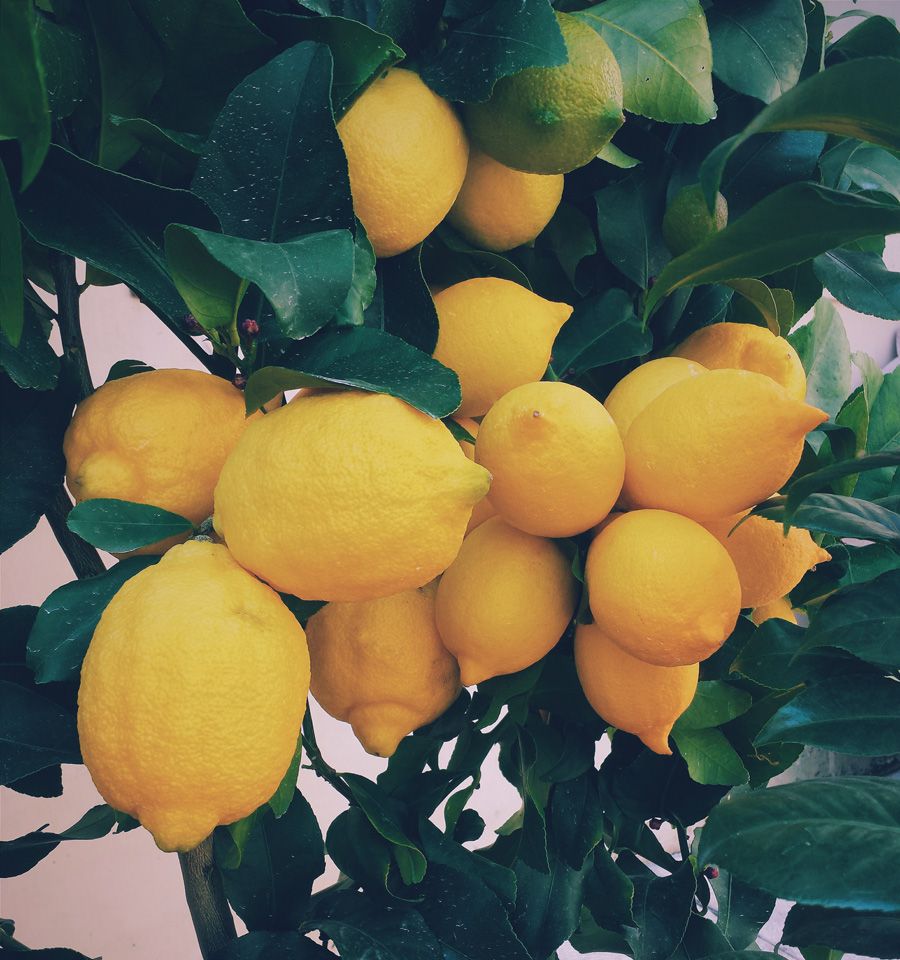
Almost every baking recipe says it the same way: «the zest of an untreated
lemon». And there the sentence stops, without explaining what a treated lemon is, how to
recognise one, or what happens if you use any old lemon.
The short answer is that the peel of conventional citrus carries two things the flesh doesn’t —
wax and post-harvest fungicide — and they don’t wash off. Here’s when you can zest,
when you can’t and how to do it properly.
The rule, in one table
| Which fruit | Can you zest it? |
|---|---|
| No post-harvest treatment declared | Yes, washing it first |
| Certified organic | Yes, though it may carry natural wax |
| Bought direct from the grower | Yes, if they confirm there’s nothing on it |
| Labelled «treated with…» | No |
| Shiny and from far away | No |
| No label and no idea | No, by elimination |
Why the peel is different from the flesh
Citrus has two clearly distinct layers, and everything applied in a packhouse stays in the
first.
The flavedo
The coloured part: yellow on a lemon, orange on an orange. That’s where the glands full of
essential oils are, which is what you smell when you peel and what you’re after when
you zest. It’s the most aromatic part of the whole fruit, by some distance.
The albedo
The white, spongy layer underneath. It contributes no aroma and plenty of
bitterness. It’s the line not to cross when zesting, and the reason a zest done in a
hurry ends up making a whole cake bitter.
Post-harvest treatments — the fungicide against storage moulds and the wax that replaces the
natural protection lost in washing — act precisely on the flavedo, because that’s where they have to
work. The flesh stays practically free of them, which is why peeling and eating poses no problem at
all. The full breakdown is in
what goes on a supermarket orange.
How to tell whether the peel is usable
The label, which is the reliable one
On citrus it’s compulsory to declare the post-harvest treatment. That line of
small print on the shelf sign or the net bag — «treated with imazalil», «treated with thiabendazole»
— is there for exactly this. If it appears, the peel isn’t for zesting.
The shine
With no label to hand, the first clue is visual. Waxed fruit shines evenly, as if varnished.
Unwaxed fruit has matt and sometimes slightly rough skin. It’s explained in
why our fruit isn’t waxed.
Your fingernail
Scraping waxed fruit gently leaves a whitish mark on the surface, like a scratch. On untreated
fruit it doesn’t appear.
And the common sense of the calendar
A July lemon brought from Argentina has made a long journey, and no long journey is made without
protection. Seasonal fruit from nearby is the only kind that can afford to carry nothing.
What if I wash it thoroughly?
It’s the logical question, and the honest answer is that it helps but doesn’t
solve it.
Wax is designed precisely not to dissolve in water: if a rinse took it off, it would be no use in a
warehouse. With very hot water and a brush you remove some, and with bicarbonate or vinegar a little
more, but not enough to zest with confidence.
And there’s a side effect: scrubbing hard breaks the essential oil glands in the skin, which is
exactly what you wanted to keep. You end up with half-clean, less aromatic fruit.
If the lemon is treated and you need zest, the sensible way out is to buy one untreated piece for
that, even if the rest of the shopping is conventional.
How to zest properly
Before squeezing, always
The most useful advice in the whole article. Zesting a whole lemon takes ten seconds; zesting half
a squeezed shell is horribly awkward and gives you half as much. Zest first, squeeze after.
Only the coloured layer
The moment white shows, stop and turn the fruit. A fine-toothed grater — a microplane type — gives
the best control over that depth; a large-holed grater takes albedo almost every time.
Straight over the bowl
The essential oils spray out at the moment of zesting, and if you zest over a board they stay
there. Do it directly over the mix or the bowl it’s going into.
With the fruit cold
A lemon straight from the fridge has firmer skin and zests more cleanly. It’s the opposite of
squeezing, where you want it at room temperature.
What else you can do with the peel besides zesting it
- Strips for infusing. With a peeler, not reaching the white. They flavour a syrup,
a rice pudding, a stock or a jug of water. - Flavoured sugar and salt. Zest mixed with sugar in a jar, or with coarse salt. It
dries by itself in two days and lasts months. - Candied peel. The classic use for the big Verna lemon, which is the one with
enough peel. It also works with orange. - Oil and vinegar. A few strips in the bottle for two weeks.
- And cleaning. Used peel in white vinegar gives a citrus degreaser that genuinely
works.
How much zest you get
| Fruit | Zest per piece |
|---|---|
| Fino lemon | A level tablespoon |
| Verna lemon | A heaped tablespoon |
| Orange | Two tablespoons |
| Mandarin | Half a tablespoon |
Where it really shows
Zest looks like a baking detail and is really what separates a correct dish from one that tastes of
something. These are the cases where the difference is most obvious.
In cakes and doughs
The lemon aroma in a cake doesn’t come from the juice — which brings acidity and moisture — but
from the peel. A cake with juice and no zest tastes of little; with the zest of a single lemon it
changes completely.
In stews and roasts
Lemon zest added at the end, off the heat, over baked fish, roast vegetables or pulses. In heat the
aroma evaporates, so it always goes in at the finish.
In rice pudding and custards
Here it’s used in strips, not grated: the milk is infused with lemon peel and cinnamon and the peel
removed before assembling the pudding. It’s the oldest use of all and the one that goes worst with
waxed fruit, because the wax passes straight into the liquid.
And on the orange, which gets forgotten
Orange zest works the same way and is sweeter and less sharp than lemon. It goes very well with
chocolate, with braised meat and in the dough of a festive bread. An orange gives twice as much zest
as a lemon.
How to keep it
Fresh zest dries out in a day and loses almost all its aroma. What works is the
freezer: in a small glass jar, where it doesn’t clump and you scoop it out with a spoon. Six
months.
Air-drying is fine for having dried peel in the cupboard, but it’s a different thing: the aroma
changes and turns woodier. For baking, frozen wins every time.
And if you have lemons left over and want to get organised once and for all, the full plan is in
what to do with leftover lemons.
Ours can be zested
Our lemons, oranges, mandarins and persimmons carry no
wax and no post-harvest treatment: they’re picked in Albalat de la Ribera after the order comes in and
leave for your home within 24 or 48 hours, without going through a washing line or a warehouse.
Washing them with warm water and a rub with your hand or a soft brush before zesting is enough.
It’s in fact why a good share of the people who bake ask us specifically for lemons: citrus with
usable peel isn’t easy to find outside direct sales. What’s in season is in
the shop.
Can you zest the peel of any lemon?
No. Only lemons with no post-harvest treatment, organic ones or ones bought
direct. Wax and fungicide are applied to the peel and don’t come off with washing.
What does «untreated lemon» mean?
That it has had no post-harvest treatment: no storage fungicide and no
waxing. On citrus that treatment has to be declared, so the label or the shelf sign will say so.
Does washing a lemon with bicarbonate remove the wax?
Only partly. Wax is made not to dissolve in water, and scrubbing hard also
breaks the essential oil glands in the peel, which is what you’re after when you zest.
How do you zest a lemon without bitterness?
By staying in the coloured layer and stopping the moment white shows, which
is the bitter part. A fine microplane-type grater gives the best control over the depth.
How long does lemon zest keep?
A day fresh, because it dries out at once, and about six months frozen in a
small jar. It doesn’t clump, so you take it out with a spoon.
Search the blog
Right now in the fields
Being picked in September:
Lemons · Orange blossom honey · Italian frying pepper · Aubergine · Squash
Latest
From the tree to your door
It’s picked the day we prepare your order and leaves Albalat straight for your door.
What's available this week
The catalogue changes with the fields: it shows what’s being picked and hides what isn’t.