
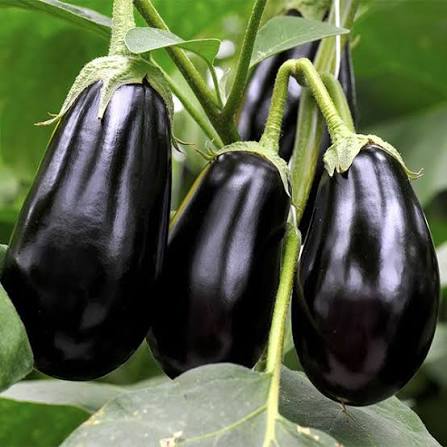
Espencat: roast aubergine and pepper, the Valencian way
On this page
Espencar means to tear in Valencian, and there’s the whole recipe: the vegetables are
roasted whole, peeled and pulled apart by hand, into strips, never with a knife. It
sounds like a detail that doesn’t matter, and it isn’t.
It’s the dish eaten in August across half the Valencian Community, when the market garden is loaded
with aubergines and peppers and nobody wants to light a fire at midday. You make it the day before, keep
it in the fridge and bring it out cold.
- Preparation15 min
- Oven60 min
- Total1 h 15 min
- Serves4
Ingredients
- 2 medium aubergines
- 4 Italian frying peppers (or 2 large red ones)
- 150 g desalted salt cod, flaked
- 1 clove of garlic
- Extra virgin olive oil
- Salt
- Black olives, to serve
The salt cod is optional but it’s what turns a side dish into a dish. If you’re using it salted, give
it 24 hours in cold water in the fridge, changing it three times.
How it’s made
- Heat the oven to 200 degrees, top and bottom. If you have embers, better still: espencat was
born in the heat of a wood fire and that smoky note can’t be imitated. - Wash and prick. The vegetables go in whole and unpeeled. Give the aubergines four
pricks with a fork so they don’t burst. - Roast. On a tray, with a drizzle of oil. The peppers need about 40 minutes and the aubergines
between 50 and 60, turned halfway. They’re done when the skin wrinkles and comes away on its own and the
aubergine collapses when pressed. - Cover them as they come out. Everything into a bowl with a plate on top, or foil. Fifteen
minutes. The steam finishes loosening the skin and you won’t have to fight it. - Peel and tear. The skin comes off with two fingers. Then the flesh is pulled apart
lengthways, by hand, into strips a finger thick. A knife would leave them cut, and what you want
here is the frayed edge, which holds the oil better. - Drain. Leave the strips in a colander for ten minutes: they release a good deal of water and
otherwise the dressing goes watery. - Dress. In a dish, the strips with finely chopped garlic, salt and generous olive oil. Mix
carefully, without breaking them up. - Add the salt cod flaked over the top and the olives. Then into the fridge for at least an
hour: espencat is eaten cold or at room temperature, never hot.
The roasting is everything
There’s no sauce and no spice here to fix anything: the flavour comes from what happens in the
oven.
Whole and unpeeled
The skin acts as a pot: the vegetable cooks in its own steam and concentrates its sugar instead of
drying out. Cut into slices it dehydrates and loses exactly what we’re after.
Don’t be afraid of the char
The skin can go black and blistered: that’s the point. That burnt edge is what gives the ember
flavour. What it mustn’t be is raw inside.
And drain before dressing
The step almost everyone skips. A roast aubergine releases a lot of water, and that liquid dilutes the
oil and leaves the dish bland with a puddle at the bottom of the plate.
What vegetables to buy for roasting
Pieces that wouldn’t do for anything else are fine for roasting, and that’s part of its charm: it’s a
recipe for using things up.
The aubergine
Medium and light for its size, so it has few seeds. Skin glossy and with no soft patches, and a green
stalk. A large, heavy, very seedy aubergine is precisely the bitter one — and in the oven the bitterness
doesn’t go away.
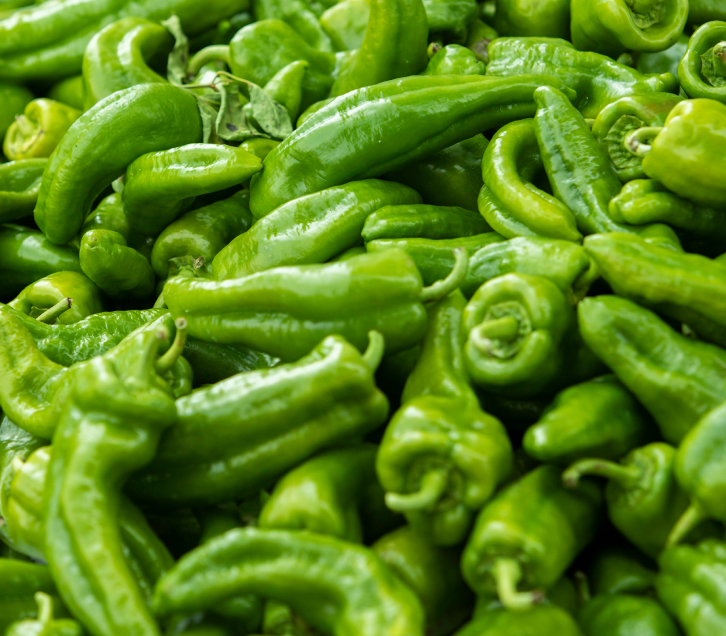
The pepper
Here you can use the Italian frying pepper or the big red one, and it changes the dish: the Italian
gives a milder, greener espencat, and the red leaves it sweeter and better looking. Plenty of households
use both.
And even sizes
It’s the one thing worth watching when choosing: if the pieces are very uneven, some will be done
while others are still raw. With ungraded vegetables like ours, the practical answer is to take each one
out when it’s ready rather than waiting for them all.
Espencat, esgarraet and escalivada: which is which
They look alike, they get confused and they aren’t the same.
- Espencat (Valencia): roast aubergine and pepper, torn, with salt cod. The
aubergine leads. - Esgarraet (Valencia, especially the Ribera and the Safor): roast
red pepper only, with salt cod and garlic. No aubergine. - Escalivada (Catalonia): aubergine, pepper, onion and sometimes tomato, in strips,
and usually without salt cod.
All three come from the same thing — roasting vegetables in the embers of a fire — and all three are
eaten cold. The borders, as always, blur from village to village.
How it’s eaten
Cold or at room temperature, with bread and little else:
- As a starter, in the middle of the table to share.
- On toast, as a tapa.
- Inside a savoury coca or a pie.
- As a side for grilled fish or roast meat.
It keeps four or five days in the fridge covered in oil, and it improves. It also
freezes: the roast vegetables, undressed, keep six months.
Variations you’ll see
- With onion roasted whole, in strips, which brings sweetness.
- With tomato roasted too, closer to the Catalan escalivada.
- With tuna in oil instead of salt cod, which is how many households make it.
- With hard-boiled egg grated over the top.
- Without fish, just vegetables and garlic: then it’s the perfect side dish and suits
anyone.
The aubergine it uses
A seasonal aubergine of medium size, which is the one with fewest
seeds and no bitterness. To roast it there’s no need to salt it first: that trick is for frying, and it’s
explained in how to choose an aubergine.
Aubergine and Italian frying pepper share a season — June
to October — and come out of the same field in Albalat de la Ribera, so espencat is literally what’s in
the market garden those weeks. Both are in the vegetables section, and
the pepper is also what makes
titaina del Cabanyal.
What is espencat?
A Valencian dish of aubergine and pepper roasted whole, peeled and torn into
strips by hand, dressed with garlic, oil and salt, and usually with flaked salt cod. It’s eaten cold.
How does espencat differ from esgarraet?
Esgarraet has only roast red pepper with salt cod and garlic. Espencat adds
aubergine, which is in fact its main ingredient.
Why is it torn by hand instead of cut?
Because the frayed edge holds the oil of the dressing far better. With a knife
you get smooth strips and the dish loses part of its point.
How long does espencat keep?
Four or five days in the fridge if it’s covered in oil, and it improves with
time. The roast vegetables, undressed, also freeze and keep six months.
Do you peel the aubergine before roasting it?
No: it’s roasted whole and unpeeled, and the skin acts as a pot and
concentrates the flavour. The skin comes off afterwards, once roasted, and it lifts away with your
fingers.
Search the blog
Right now in the fields
Being picked in September:
Lemons · Orange blossom honey · Italian frying pepper · Aubergine · Squash
Latest
From the tree to your door
It’s picked the day we prepare your order and leaves Albalat straight for your door.
What's available this week
The catalogue changes with the fields: it shows what’s being picked and hides what isn’t.