
Titaina del Cabanyal, the dish of Valencia’s fishermen
On this page
Titaina is one of those recipes that never appear on the menus of restaurants in the centre of town
and that in the Cabanyal — Valencia’s old fishermen’s quarter — has been eaten for
generations. Four ingredients, one pan and forty minutes.
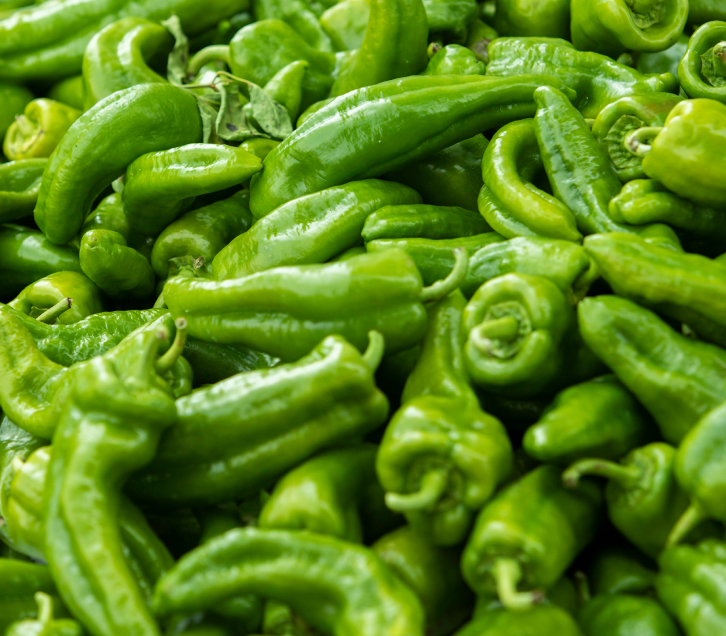
It’s also the best way to use up the Italian frying peppers of August and September, which is when
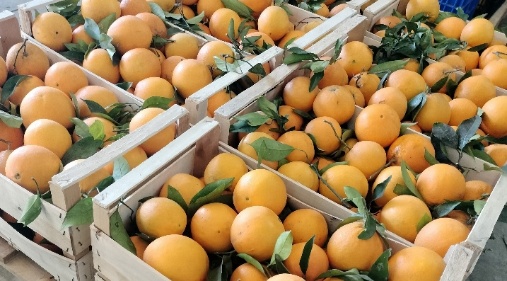
the market garden is loaded and the citrus is still green on the tree.
- Preparation15 min
- Cooking45 min
- Total1 h
- Serves4
Ingredients
- 6 Italian frying peppers
- 1 kg ripe tomatoes
- 200 g salt-cured tuna (sorra) or tuna in oil
- 50 g pine nuts
- 2 cloves of garlic
- Extra virgin olive oil
- Salt
- A pinch of sugar, if the tomatoes are sharp
Sorra — tuna belly cured in salt — is the original and what gives the dish its
defining salty note. If you can’t find it, good tuna in oil will do the job; in that case, go carefully
with the salt.
How it’s made
- Prepare the peppers. Wash them, remove the stalk and seeds and cut them into strips a finger
wide. No need to peel them: the Italian pepper has skin so fine it disappears as it fries. - Fry them slowly. In a wide pan with generous oil over a medium heat, until tender and just
starting to brown at the edges, about ten minutes. Take them out and set aside. - Grate the tomatoes. Cut them in half and grate them over a bowl; the skin stays in your hand.
With seasonal tomatoes there’s no need to peel or blanch them. - Soften the garlic. In the same oil, the two cloves sliced, thirty seconds, without letting
them brown fully. - Add the tomato and lower the heat. This is the dish: between thirty and forty
minutes over a gentle heat, stirring now and then, until it loses its water and darkens. If it
tastes sharp, a pinch of sugar. - Toast the pine nuts separately, in a dry pan over a low heat, keeping them moving. They burn
the moment you look away, so don’t leave them. - Bring it together. Return the peppers to the pan, add the flaked tuna and the pine nuts, and
give it another couple of minutes so they get to know each other. - Let it rest. Half an hour off the heat, minimum. Titaina is better warm than hot, and better
still the next day.
The two points that change it
The tomato, over a low heat
It’s the difference between titaina and any old sofrito. The tomato has to lose all its water and
reduce until it’s dark and thick, almost like a savoury jam. Rushed, it comes out watery and the dish is
nothing.
The sign is visual: when a spoon drawn across the bottom leaves a mark that takes a second to close,
it’s there.
The pepper, whole and separate
It’s fried first and taken out. If you leave it in the pan for the tomato’s forty minutes, it
collapses and disappears. The point of titaina is finding whole strips among the tomato.
How it’s eaten
Warm or cold, never straight off the heat. In the Cabanyal it’s served in the pan itself or
in an earthenware dish, with bread for mopping, and it works as:
- A summer main course, with a salad alongside.
- A tapa, on a slice of toasted bread.
- A side for grilled fish.
- A filling for a savoury coca or a pie.
It keeps three or four days in the fridge, and it improves. It’s one of those dishes
you make on Saturday to eat on Sunday.
Variations you’ll come across
- With egg. A poached egg on top when serving, or set in the pan itself. It’s the
household version when the dish has to stretch. - With salt cod instead of tuna, desalted and flaked. It comes close to esgarraet and
it’s just as good. - Without fish. Just pepper, tomato and pine nuts: then it’s practically a samfaina
and it still works. - With red pepper mixed in with the green, which brings sweetness and colour.
How to choose what goes in
With four ingredients, each one shows. There’s no sauce to hide behind.
The pepper
Firm and stiff: if it bends like a glove, it has lost water and in the pan it will go soft without
ever browning. The skin smooth and unwrinkled, and the stalk green. And light for its size — with
peppers, unlike fruit, extra weight usually means thick walls.
The tomato
Properly ripe, even overripe. This isn’t going raw into a salad: it’s going to spend forty minutes on
the heat, so what you want is the one with the most sugar and the most flavour, however ugly it looks.
The hard, perfect tomatoes of winter give an insipid titaina however long you cook them.
The pine nuts
This year’s. Pine nuts are high in fat and go rancid with time: if the bag smells old when you open
it, that bitterness goes straight into the dish. Keep them in the fridge or the freezer.
Where the name comes from
The Cabanyal was Valencia’s fishermen’s quarter, and titaina is boat food and poor household food:
whatever was in the larder — tomatoes, peppers from the market garden next door and the tuna cured in
salt so it would keep — turned into a complete dish.
There’s no agreement on the name. Some link it to the Valencian word for a thick sofrito and others to
a corruption of tonyina, which is Valencian for tuna and would be the logical one. Either way,
it has outlived the boats.
The pepper it uses
The Italian frying pepper is the one for this, not the
big green salad pepper: its walls are so thin that it softens straight away and doesn’t go leathery,
which is what happens to the other one in a long braise. The differences are in
the article on the Italian frying pepper.
Ours is picked in Albalat de la Ribera from June to October and leaves for your home within 24 or 48
hours, unwaxed: it only needs washing. It’s in
the vegetables section while the season lasts, along with the
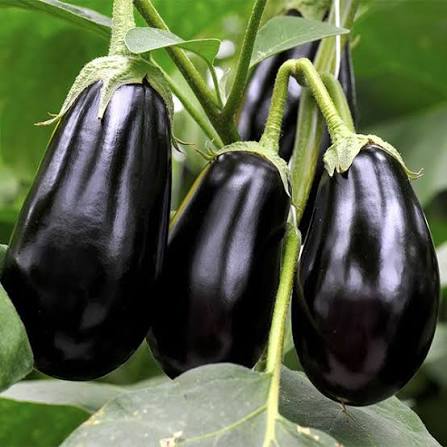
aubergine, which is the other half of the summer market garden and the star of the
espencat.
What exactly is titaina?
A dish from the Cabanyal quarter of Valencia, made with tomato cooked down very
slowly, green pepper fried in strips, tuna — traditionally sorra, the salt-cured belly — and toasted pine
nuts. It’s eaten warm or cold.
Can titaina be made without sorra tuna?
Yes, with good tuna in oil, drained and flaked. The saltiness changes, so it’s
worth adjusting at the end rather than the start. It’s also made with desalted salt cod.
How long does titaina keep?
Three or four days in the fridge in a sealed container, and it’s actually
better the next day. Worth taking it out a while before eating: straight from the fridge it loses
aroma.
Which pepper should be used?
The Italian frying pepper, the long, fine-skinned one. The big fleshy green
pepper needs far longer and ends up leathery.
Can it be frozen?
Yes, once made and without the pine nuts, which lose their crunch. It keeps
about three months; the pine nuts get toasted and added when reheating.
Search the blog
Right now in the fields
Being picked in September:
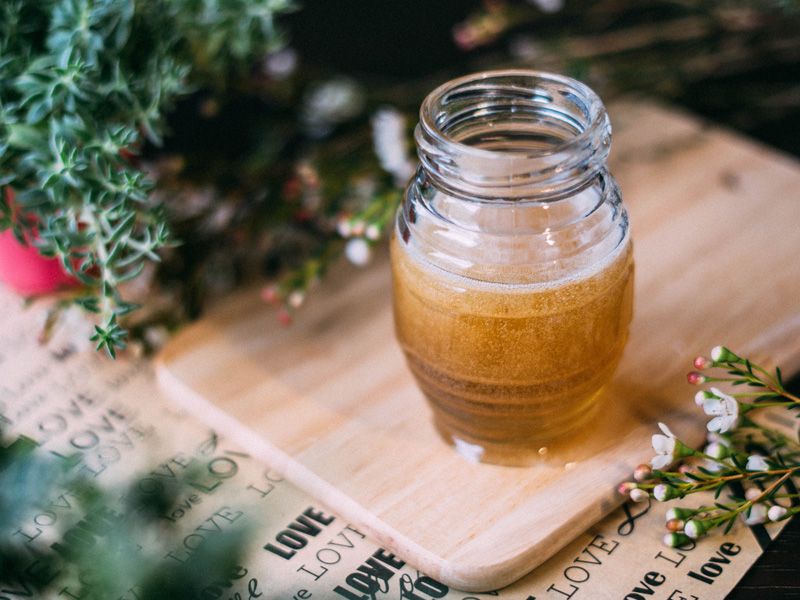
Lemons · Orange blossom honey · Italian frying pepper · Aubergine · Squash
Latest
From the tree to your door
It’s picked the day we prepare your order and leaves Albalat straight for your door.
What's available this week
The catalogue changes with the fields: it shows what’s being picked and hides what isn’t.