
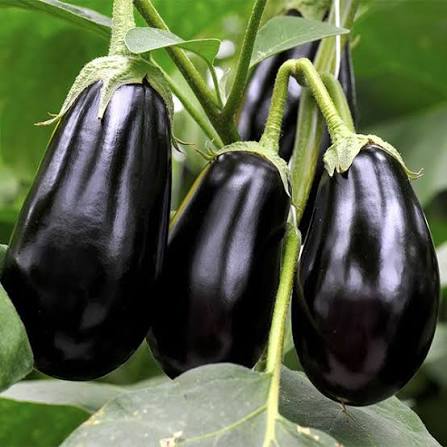
Aubergine: how to choose one and take the bitterness out
On this page
The aubergine is one of those vegetables people buy with reservations, and always for the same two
reasons: it’s bitter and it soaks up oil. Both reputations are half
true, and both depend on decisions taken before you light the hob.
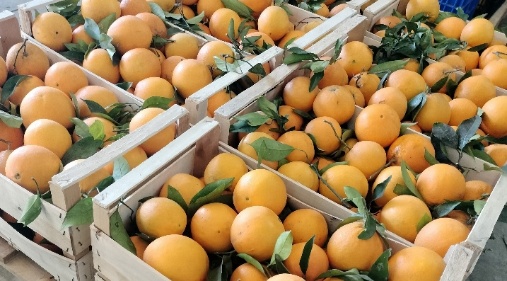
It’s also one of the crops that fill the summer gap in the Ribera, when the orange trees are loaded
with green fruit and there isn’t a single citrus to pick.
When it’s in season
From June to October, at its best in July, August and September. It’s a heat plant:
it needs warm nights and plenty of light, and as soon as it turns properly cool the plant stops.
Outside those months, what there is comes from a greenhouse or from further south. It doesn’t spoil
on the way, but it’s fruit grown with less light and it usually shows in the skin, thicker and less
glossy. The full market garden calendar is in
what there is each month.
How to choose one
| Sign | What to look for |
|---|---|
| Weight | That it feels light for its size |
| Skin | Glossy, taut, no wrinkles or blemishes |
| Feel | Firm; if it gives and doesn’t spring back, it’s past it |
| Stalk | Green and fresh, not dry or dark |
| Size | Medium. The huge ones are the bitterest |
The weight trick, the opposite of fruit
With citrus, weight governs: the heavier the better. With aubergine it’s exactly the reverse. An
aubergine that’s heavy for its size has a lot of seeds and denser flesh, and the seeds
are precisely where the bitter compounds concentrate.
The good one is the one that surprises you by being light: white, spongy flesh with few seeds. If
you’re torn between two of the same size, take one in each hand and keep the lighter — which is the
opposite of the rule for citrus.
And why medium
A very large aubergine is usually one that stayed too long on the plant. It has gone on swelling,
developed more seeds and its skin has hardened. Medium-sized ones, picked at the right point, are the
best.
The bitterness: where it comes from
Aubergine bitterness comes from natural compounds the plant produces as a defence, concentrated
above all in the seeds. The more seeds and the riper they are, the more bitterness.
Here’s the fact that almost never gets mentioned: modern varieties are far less bitter than
those of thirty years ago. Much of the selection work of recent decades has gone in that
direction. A seasonal, medium-sized aubergine picked at the right point needs no pre-treatment at
all.
The famous salt trick is really a remedy for bad aubergines: the big ones, the old
ones or the ones picked late.
How to take it out, if you need to
The salt method
Cut into slices or cubes, sprinkle with coarse salt, leave thirty minutes in a
colander and pat dry. The salt draws out water by osmosis and some of the bitterness goes with it.
It has a side effect that turns out to be more useful than the stated aim, and we come to it in the
next section.
The milk method
Half an hour in cold milk instead of salt. It softens the flavour and leaves the flesh creamier. It
works particularly well if you’re going to coat and fry it.
And the one hardly anyone uses
Taking the seeds out. If the aubergine is large and very seedy, scooping the centre out with a spoon
removes the problem at source and improves the texture into the bargain.
Why it soaks up so much oil
This is the other reputation, and it has a lovely physical explanation.
Aubergine flesh is a sponge full of air: up to ninety per cent of its volume is
microscopic cavities. As it heats, that air escapes and the gap is filled by the first thing available,
which is the oil. That’s why an aubergine in a frying pan can absorb absurd amounts in seconds.
How to avoid it
- Salt it first. The salt step collapses some of those cavities as it draws the
water out, and the aubergine goes into the pan with fewer gaps to fill. This is the real reason it’s
worth salting, more than the bitterness. - Really hot oil. Over a low heat, the aubergine absorbs while it warms up. At a
high temperature it seals straight away. - Better in the oven. Brushed with a spoonful of oil and into a hot oven, it comes
out just as tender with a tenth of the fat. - And the microwave as a shortcut. Two or three minutes before frying and it goes
into the pan half cooked.
How to keep it
It’s more delicate than it looks, and it’s the vegetable in the catalogue that takes cold worst.
- Out of the fridge, three or four days, somewhere cool and out of the sun.
- In the fridge, a week, in the salad drawer, but it suffers: below 8 or 10 degrees
brown marks appear and the flesh softens. It’s the same chilling injury citrus gets, explained in
oranges in the fridge?. - No sealed bag, or it rots sooner.
- Away from apples and tomatoes, which give off ethylene and age it.
- Cut, it oxidises within minutes. Cut it just before cooking, or cover it with
water and lemon.
Freezing it
Raw doesn’t work: it comes out soft and watery. What does keep well is already
cooked — roasted, in a ratatouille, as a purée — for up to six months. If a lot arrives at
once, that’s the way out.
What to do with it
It’s one of the most rewarding vegetables and it takes almost anything:
- Roasted whole in the oven, until the skin wrinkles, and the flesh scooped out with
a spoon: the base of any purée or escalivada. - Sliced on the griddle, with oil and garlic.
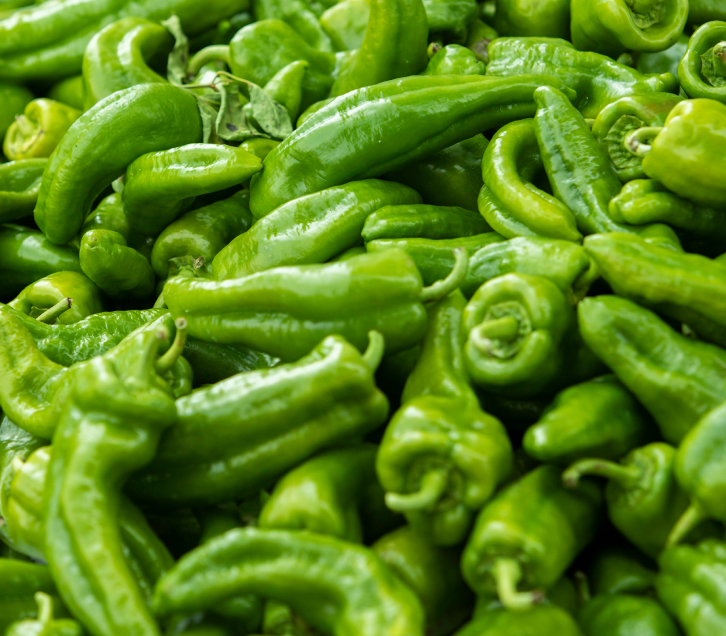
- In a ratatouille, with Italian frying
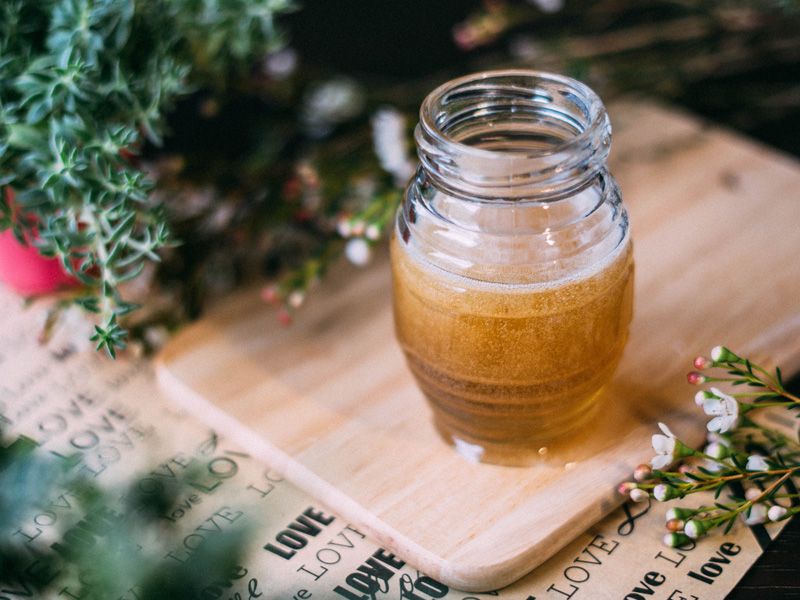
pepper, its natural companion and in season exactly the same months. - Battered with honey. And here the combination is our own: market garden aubergine
with orange blossom honey over the top, a dish that’s
half Valencian and half Andalusian.
How much to buy and what to do if it’s too much
A medium aubergine weighs between 250 and 350 grams and does for two portions as a side, or one as
the main dish. A kilo is three or four pieces: ratatouille for four, or two trays of roast
aubergine.
The typical market garden problem isn’t scarcity, it’s that everything arrives at once, because the
plant crops in waves. If you find yourself with more than you’ll use in a week, the order that works is
this: what will be eaten in three days stays out; the rest gets roasted whole in the oven in one go —
two or three pieces fit easily — and that roast flesh goes into the freezer in portions.
Roasted it takes a quarter of the space, keeps six months and goes straight into a soup, a stuffing
or a lasagne base. It’s the same logic as with citrus juice, set out in
how to keep fruit at home: get ahead of it before it starts
to give way, not after.
Ours
The aubergine is picked in Albalat de la Ribera through the warm
months and leaves for your home within 24 or 48 hours, with no cold store and no wax. Like all the
market garden produce, it arrives in uneven shapes and sizes: it’s fruit and veg that hasn’t been
through a grader, and we set that out in
why untreated fruit doesn’t all look alike.
It’s in the vegetables section while the season lasts, along with
the pepper, the Chinese cabbage and the two squashes.
How do you choose a good aubergine?
One that feels light for its size — that means fewer seeds — with glossy,
taut skin, firm to the touch and with a green stalk. Medium-sized is better: the very large ones are
the bitterest.
Do you have to salt an aubergine?
With a seasonal, medium-sized aubergine, no: current varieties are barely
bitter. What salt does help with is something else — stopping it absorbing so much oil when fried.
Why does aubergine absorb so much oil?
Because its flesh is a sponge: up to 90% of its volume is cavities full of
air. As it heats, that air escapes and oil fills the gap. Salting it first or cooking it in the oven
cuts it right down.
How long do aubergines last in the fridge?
A week in the salad drawer, though they suffer in the cold: below 8 or 10
degrees brown marks appear. Out of the fridge, somewhere cool, they hold three or four days.
Can aubergines be frozen?
Not raw, because they come out soft and watery. Already cooked — roasted, in
a ratatouille or as a purée — they keep up to six months in the freezer.
Search the blog
Right now in the fields
Being picked in September:
Lemons · Orange blossom honey · Italian frying pepper · Aubergine · Squash
Latest
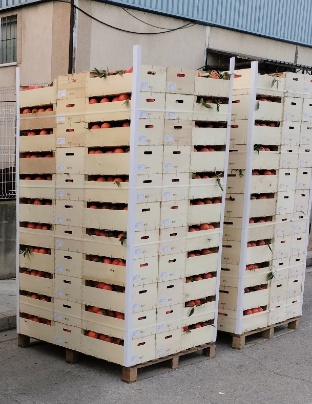
From the tree to your door
It’s picked the day we prepare your order and leaves Albalat straight for your door.
What's available this week
The catalogue changes with the fields: it shows what’s being picked and hides what isn’t.