The question we get most on WhatsApp isn’t how much a box costs: it’s
“what have you got right now?”. And the answer changes every month, because what
there is is exactly what’s being picked.
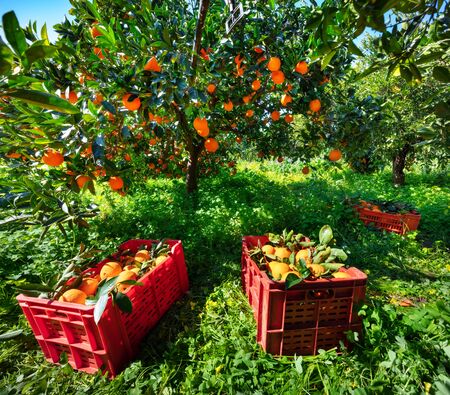
This is the full calendar of the Ribera del Xúquer, with the fruit from our own groves and the vegetables from the Ribera market gardens, and when each one is in season. Keep it: it works for the whole year.
The full calendar, month by month
The dates move a week or two each year depending on how the autumn comes in and how much it
rains in spring. What doesn’t move is the order.
| Month |
Fruit |
Market garden |
| January |
Orange, mandarin |
Artichoke, Chinese cabbage, squash |
| February |
Orange, mandarin |
Artichoke, Chinese cabbage, squash |
| March |
Orange, mandarin |
Artichoke, Chinese cabbage, squash |
| April |
Orange, mandarin |
Artichoke, Chinese cabbage, squash |
| May |
Orange, mandarin (ending) |
Artichoke (ending), Chinese cabbage, aubergine |
| June |
Orange |
Chinese cabbage (ending), pepper, aubergine, squash |
| July |
Orange (ending) |
Pepper, aubergine, squash |
| August |
— |
Pepper, aubergine, squash |
| September |
Mandarin |
Pepper, aubergine, squash |
| October |
Persimmon, mandarin |
Pepper, aubergine, Chinese cabbage, squash |
| November |
Orange, mandarin, persimmon |
Chinese cabbage, squash |
| December |
Orange, mandarin, persimmon (ending) |
Artichoke, Chinese cabbage, squash |
August is the only month with no citrus. Oranges last until July and mandarins
are back in September.
Citrus: from September to July
They’re the long season and the one that shapes the year. Eleven months in which different
varieties take turns, each with its own moment.
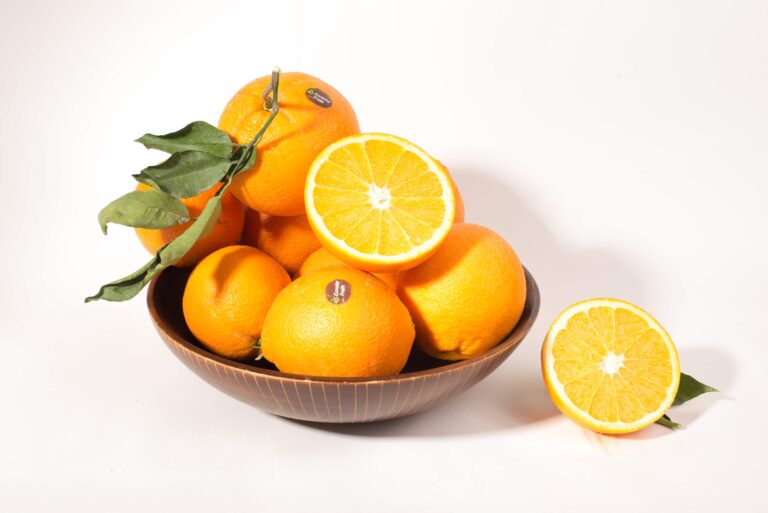
Oranges
They start in November with the Navelina and finish in July with the Valencia
Late. In between come the Salustiana and the Navel Lane Late. Each has its use: the early ones are
for eating and the late ones for juice. It’s broken down in
when oranges are in season.
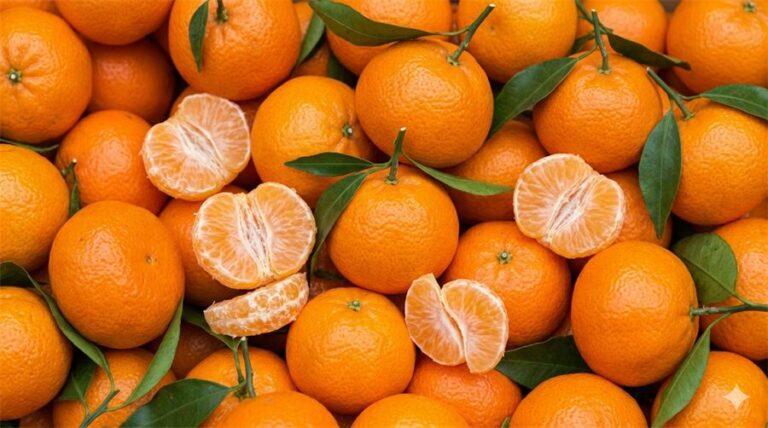
Mandarins
They start before the oranges — in September, with the earliest varieties — and finish earlier, in
May. The best moment is from November to January, when the clementines come
in, which are the ones that really do open by themselves.
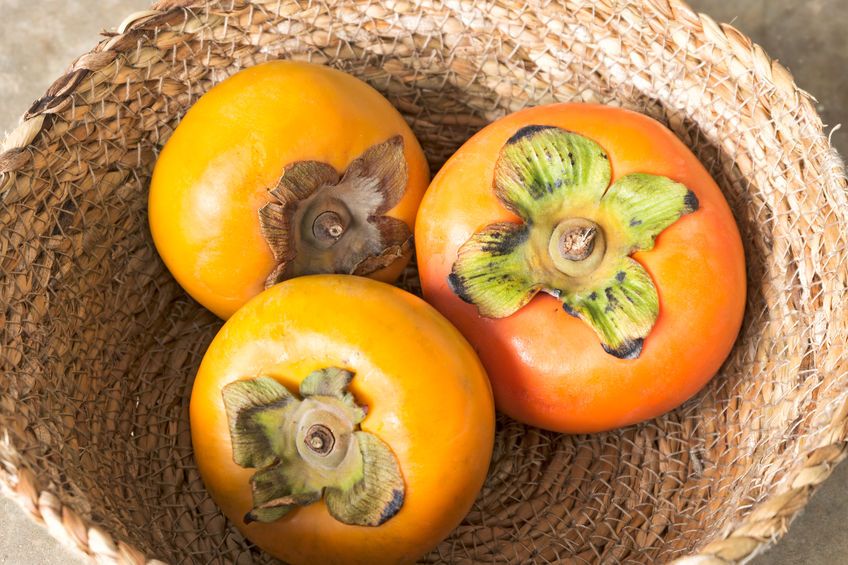
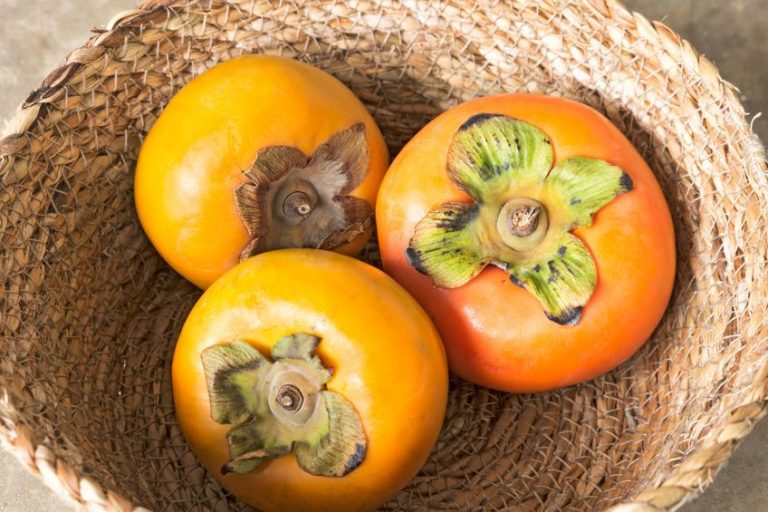
Persimmons: the shortest season
From October to December, and not much more. It’s the narrowest window in the
whole calendar: when it’s over, it’s over until the following year.
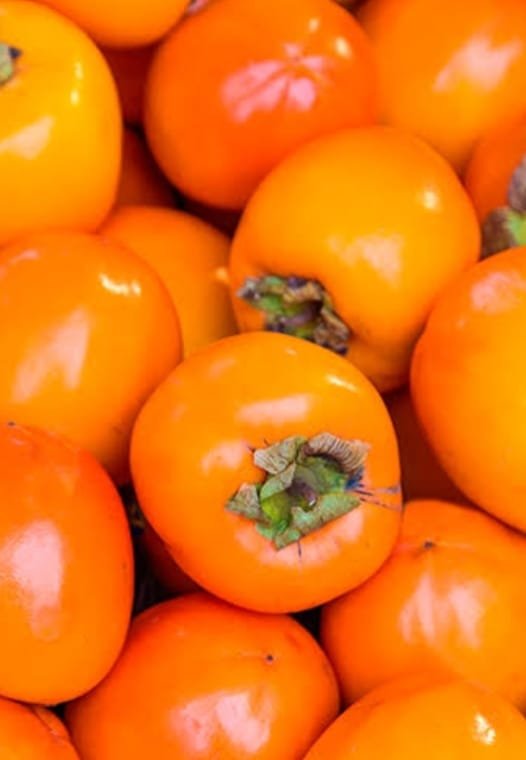
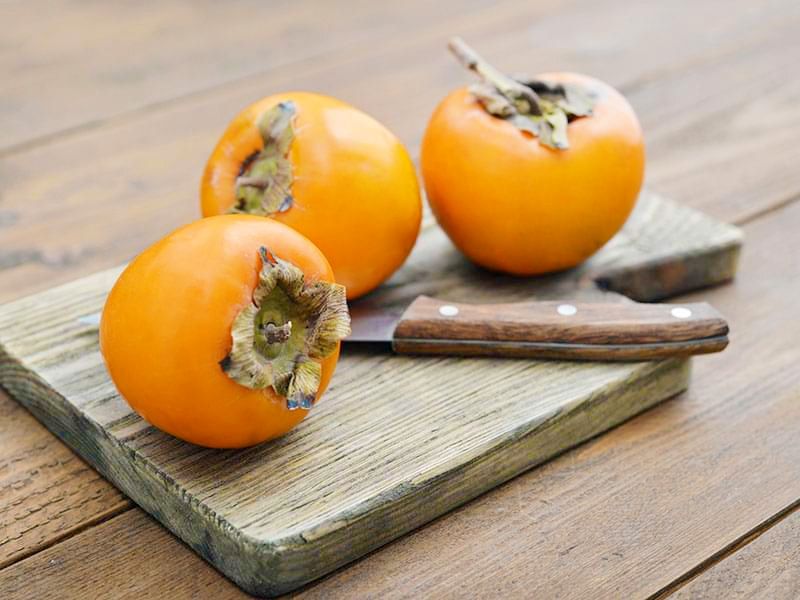
The Persimon persimmon is the firm one, the one you eat like an apple. It’s picked while still
hard so it survives the journey, and at home it softens over the days. If you prefer it crisp, the
fridge slows it down.
Every March there are people who write to us asking about persimmons. There aren’t
any: what’s sold outside those three months comes from a cold store or from a long way off.
The market garden: summer and winter
Vegetables run the opposite way to citrus, and that’s why the two complement each other so well:
they fill exactly the months when there are no oranges.
From May to October
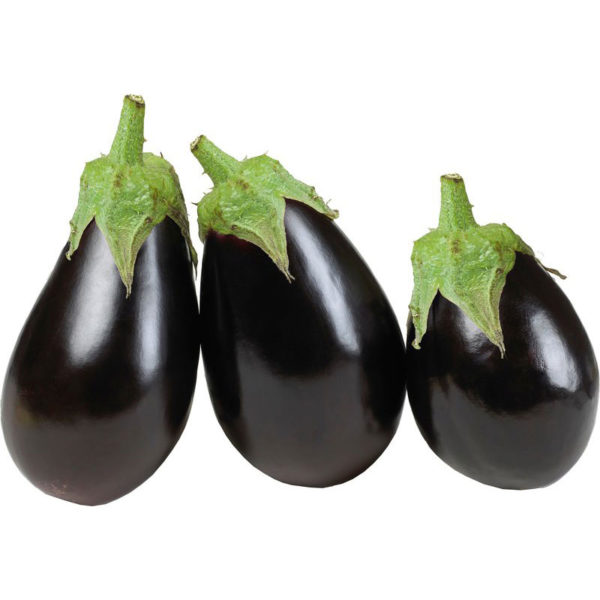
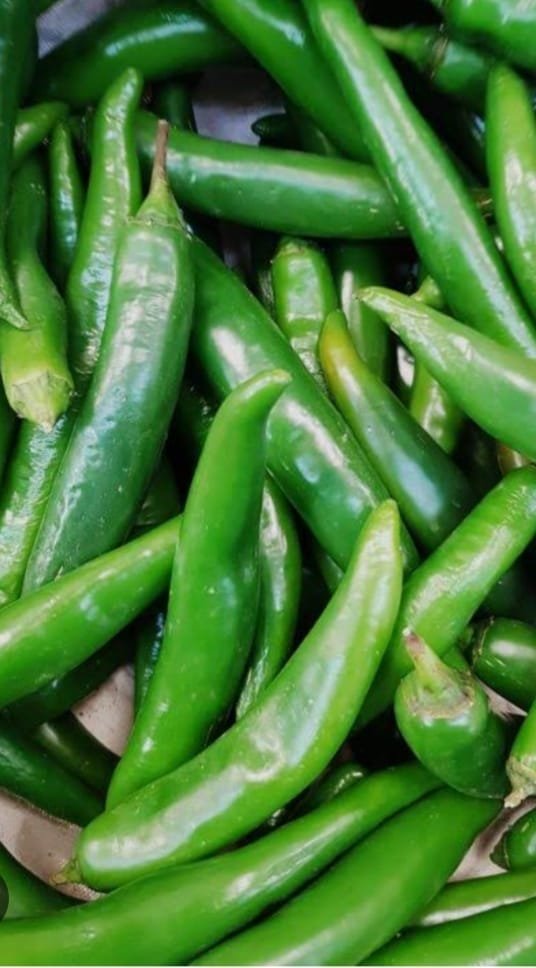
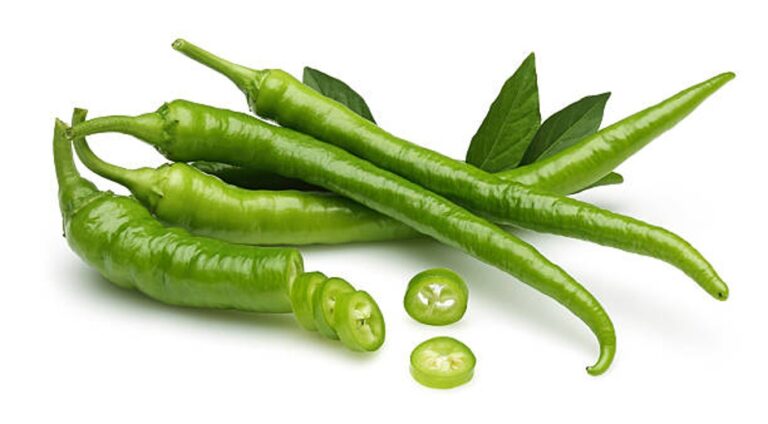
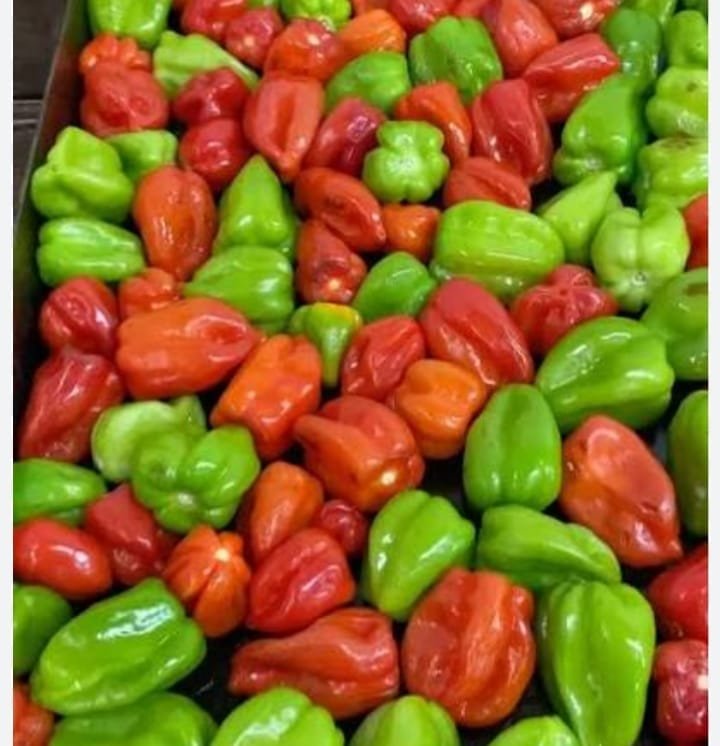
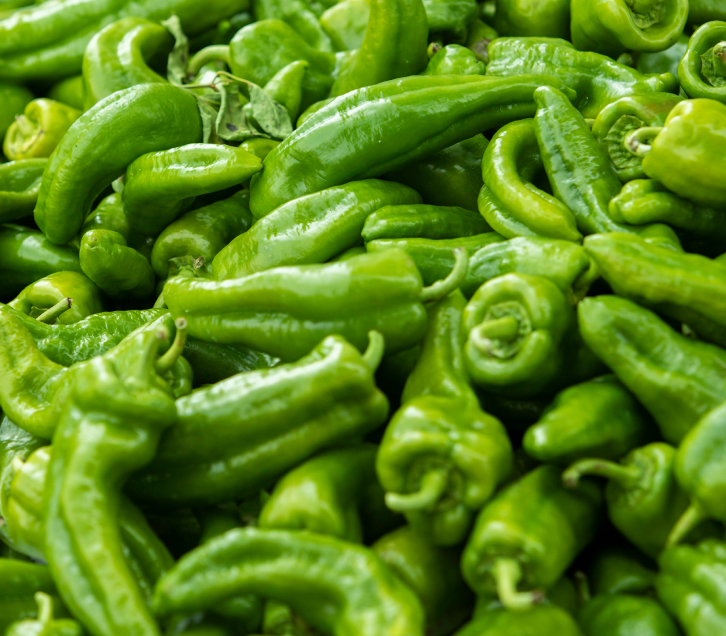
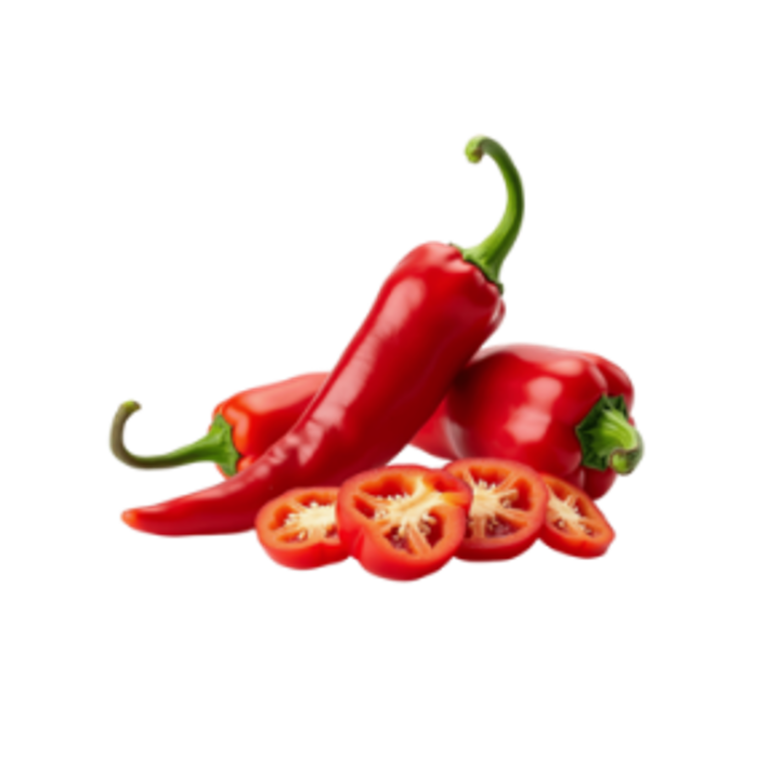
It’s the turn of the aubergine, which comes in in May, and of the Italian frying pepper and the chillies, from June
to October: high-summer market garden crops. They’re what keeps something to pick in July and August,
when the orange trees are loaded with green fruit.
From autumn to spring
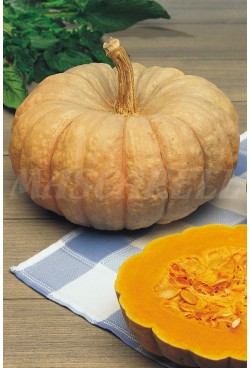
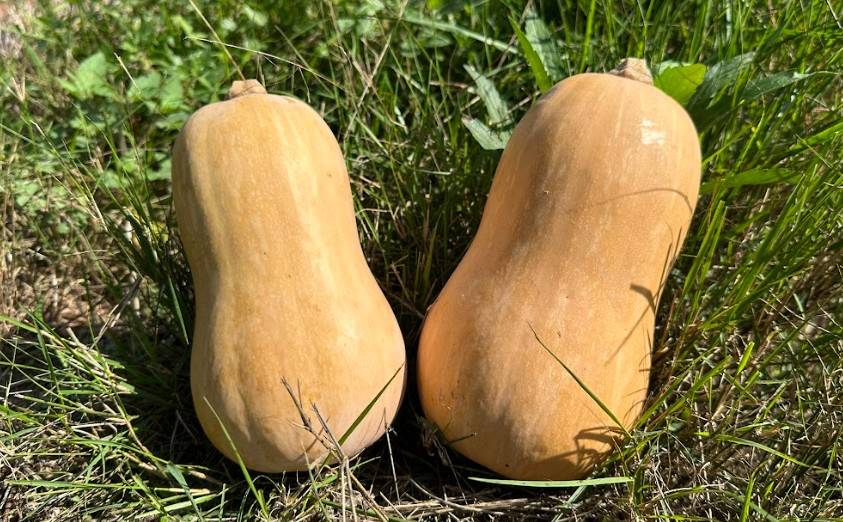
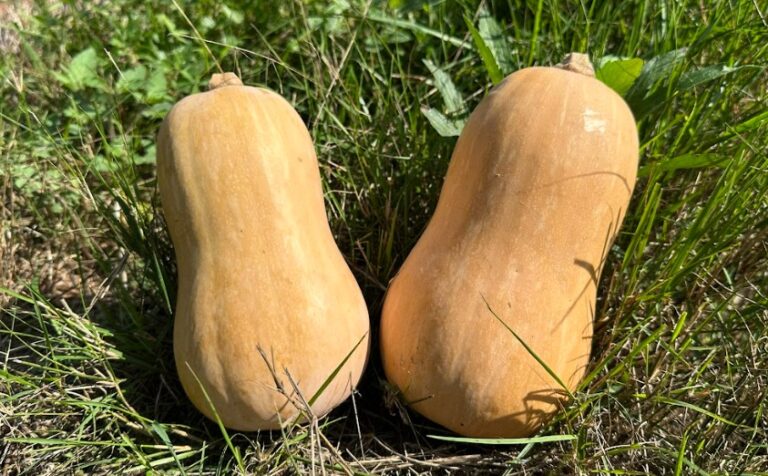
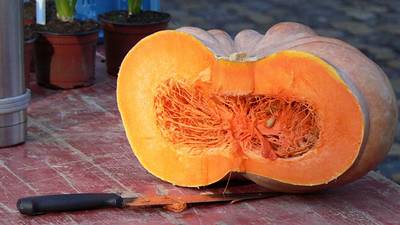
In come the squashes — butternut, from June to February, and the sweet roasting pumpkin, from October to April — along with
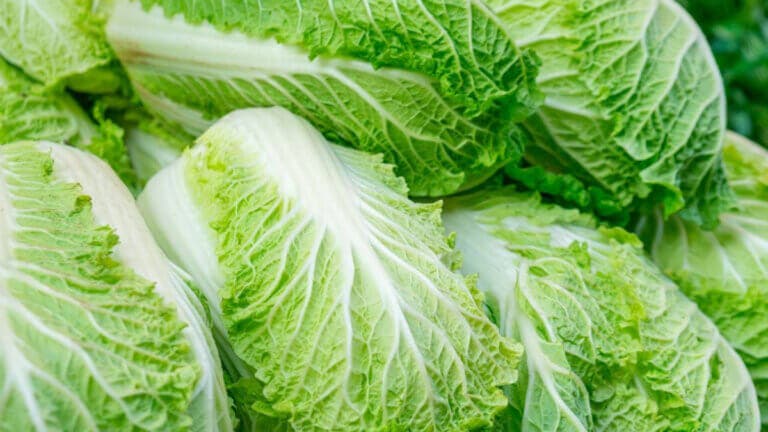
Chinese cabbage, from October to June, and the artichoke, from December to May. They’re cold-season crops, the sort that
keep well and give you plenty to work with in the kitchen.
You can see what there is right now in the vegetables
section.
Why some things come before others
Nobody decides the order of the calendar: it’s set by three factors working together.
The hours of cold
Citrus needs cool nights to change colour and for the acidity to drop. That’s why the season
doesn’t start until the autumn turns properly cold, and why a warm October puts everything back a
fortnight. In the fields it shows first in the early varieties, which are the ones that cope worst
with late heat.
The variety
Within one species, genetics rule. A Navelina and a Valencia Late are both oranges and are
planted in the same district, but six months pass between one ripening and the other. We growers
plant staggered varieties for exactly that reason: to have a long season instead of everything
coming at once in three weeks.
The rain
A wet year gives bigger fruit with more juice, but also more delicate fruit and more risk of it
splitting. A dry year gives smaller, more concentrated fruit. That doesn’t change the month, but it
does change how many days you can wait before picking.
Inside each fruit there are several
The calendar above says “orange” or “mandarin”, but inside each box different varieties take
turns. That’s what lets a season last nine months instead of three weeks.
The oranges, in order of appearance
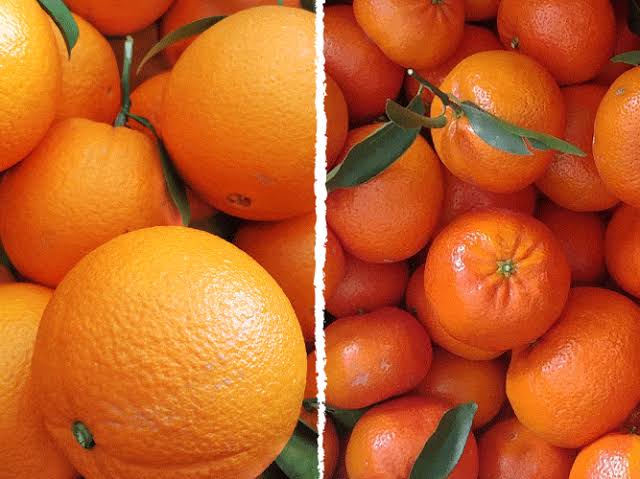
First the Navelina, from November to January, an eating orange and the one you
see at Christmas. Then the Salustiana, from December to March, the winter juicing
orange. After that the Navel Lane Late, from February to May, which holds very
well on the tree. And to finish, the Valencia Late, from April to July, the
juiciest of them all.
The mandarins
They start with the satsumas from September to November, the earliest ones, which
peel themselves. Then come the clementines from November to January, the most
flavoursome. And the late hybrids close things off until May, sweeter but with
the odd seed.
What to order in each season
If you’re about to place an order and don’t know what to take, this is the short version of the
calendar.
| Season |
The best of the moment |
| Autumn (Sep-Nov) |
The first mandarins in September, Persimon persimmons from October to December — their only window in the whole year — and the first Navelina oranges in November |
| Winter (Dec-Feb) |
The height of the citrus season: Navelina, Salustiana, Clemenules and Clemenvilla. Oranges and mandarins at the same time |
| Spring (Mar-May) |
The late oranges, Lane Late and Valencia Late, the juiciest of the year; Clemenvilla closes the mandarin season in May |
| Summer (Jun-Aug) |
The market garden: Italian frying pepper, hot peppers and aubergine. Valencia Late closes the orange season in July, and August is the only month without citrus |
And if what you want is to get it right without thinking: order whatever appears in
the shop that month. Only what’s being picked is there.
Why the catalogue changes on its own
If you’ve been into the shop in August and in December, you’ll have seen
two different catalogues. It isn’t a fault: it’s the calendar on this page applied to the
website.
The alternative would be always having the same twelve things for sale, and for that you have to
buy fruit from other people or take it out of a cold store. We’d rather the shop showed what’s in
the fields, even if that means three months a year without oranges. It’s set out in full in
From tree to table.
And if you’re looking for something that isn’t there, write to us and
we’ll tell you roughly when it starts.
What fruit is there in Valencia in January?
Oranges and mandarins. From the
market garden, artichokes, Chinese cabbage and squash. January is one of the most varied months of the
year.
What’s picked in August?
Italian frying peppers, chillies, aubergines and butternut squash. There are no oranges,
mandarins or persimmons: that fruit is still green on the tree.
When does the persimmon season start?
In October, and it finishes in December. It’s the shortest season in the
whole calendar: about ten or twelve weeks.
What’s the best month to order a mixed box of oranges and mandarins?
From November to January, when the two seasons overlap at their best: the
clementine and the Navelina at the same time. Outside that window there’s usually one of the two,
but not both at their peak.
Why does the shop’s catalogue change every month?
Because it shows what’s being picked and hides what isn’t. We don’t keep fruit in cold storage or bring it in from elsewhere to fill the empty months.